Decorative Seamless Flower Background: A Versatile Design Element for Creative Projects
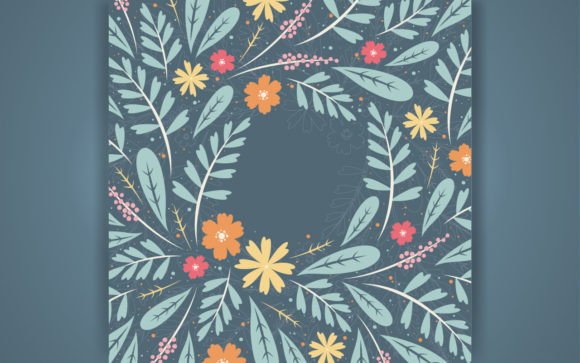
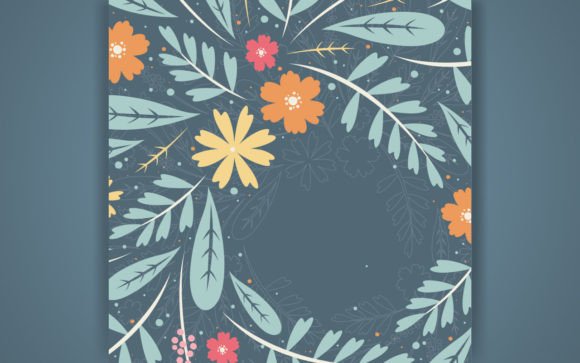
A Decorative Seamless Flower Background is a digital graphic composed of repeating floral patterns that create a continuous, uninterrupted visual across any surface. This type of background is especially popular among designers, artists, and creative professionals who seek to add an elegant or whimsical touch to websites, print materials, presentations, social media graphics, and more. The seamless aspect ensures that the pattern tiles without visible seams or edges, making it ideal for covering large areas while maintaining aesthetic harmony.
What Makes a Decorative Seamless Flower Background Unique?
The uniqueness of a Decorative Seamless Flower Background lies in its ability to blend beauty with functionality. Unlike traditional background images that might require cropping or stretching to fit different dimensions, seamless flower backgrounds are designed to repeat flawlessly. This feature makes them highly adaptable for use in various design formats and sizes.
These backgrounds often come in multiple file types such as vector AI, EPS, PNG, SVG, and high-resolution JPEG. Each format serves a specific purpose depending on the project's needs. For instance, vector files like AI and EPS allow for infinite scalability without loss of quality, which is essential for print work or large displays. Raster formats like JPG and PNG provide optimized resolution for digital screens and web use.
Created using Adobe Illustrator, these designs offer precision and artistic flexibility. The software enables intricate detailing and color adjustments, ensuring that each pattern can be tailored to suit diverse themes—from minimalist modern aesthetics to richly detailed vintage styles.
Comparing Formats: Which One Fits Your Project?
When working with a Decorative Seamless Flower Background, the choice of file format plays a crucial role in how it will perform in your final output. Here’s a breakdown of the typical formats included in such downloads:
- AI (Adobe Illustrator): Ideal for users who need full control over the design elements. You can edit individual flowers, colors, and shapes easily.
- EPS (Encapsulated PostScript): A universal vector format that works across most design software. Great for both digital and print applications due to its compatibility and scalability.
- JPG (Joint Photographic Experts Group): Best suited for high-quality raster-based backgrounds used in web pages or online marketing where image compression is necessary.
- PNG (Portable Network Graphics): Offers transparency options, making it perfect for overlaying floral designs on other content or when a clean white or transparent background is needed.
- SVG (Scalable Vector Graphics): Excellent for web developers and animators who want to integrate the design into responsive websites or animations while preserving clarity at any size.
This multi-format availability allows you to select the most suitable option based on your workflow, platform, and technical requirements. Whether you're designing for print or digital media, having access to these variations ensures that you can maintain quality and consistency across all outputs.
Strengths and Tradeoffs of Using a Floral Seamless Background
One of the primary strengths of a Decorative Seamless Flower Background is its adaptability. It can serve as a subtle texture behind text or become the focal point in a decorative layout. Additionally, since it's seamless, it eliminates the need for complex tiling or blending techniques, saving time during the design process.
However, there are tradeoffs to consider. While floral backgrounds add visual interest, they can also compete with other design elements if not used thoughtfully. In cases where readability is paramount—such as in website headers or product descriptions—a busy floral pattern may detract from the message rather than enhance it.
Another factor is the balance between detail and performance. Highly detailed vector files can be resource-intensive when used in large quantities or across many pages. Similarly, high-resolution raster images may increase file sizes, potentially affecting load times on websites.
Best-Fit Situations
A Decorative Seamless Flower Background is particularly well-suited for the following scenarios:
- Wedding invitations and stationery: The romantic and organic nature of floral patterns complements wedding themes beautifully.
- Floral-themed branding projects: Businesses in the fashion, beauty, or lifestyle industries often benefit from the elegance of floral designs.
- Digital art and illustrations: Artists can layer the background to build depth and atmosphere in their compositions.
- Web banners and social media posts: With the right color contrast and layout, these backgrounds can enhance engagement without overwhelming the viewer.
Alternatives to Consider
While a Decorative Seamless Flower Background is a powerful tool, it’s not always the best choice. Depending on your project, you might explore alternatives such as:
- Geometric patterns: These offer a structured and modern look, suitable for tech, corporate, or minimalist themes.
- Abstract textures: If you want to avoid literal imagery but still add visual interest, abstract patterns can be a great alternative.
- Solid color gradients: Simple yet effective, gradients can elevate a design without the complexity of a pattern.
- Watercolor or brush stroke backgrounds: These provide a soft, artistic feel and are often used in greeting cards, blogs, and promotional materials.
Each of these alternatives brings a different mood and style to a design. The key is to match the background to the tone and purpose of your project. For example, a geometric pattern may clash with a natural or botanical theme, while a watercolor background could feel too casual for formal branding materials.
How to Choose Between Floral and Other Background Types
Choosing the right background involves understanding your audience, the medium you’re working on, and the overall design intent. Here are some practical questions to ask yourself:
- Do I need something that feels warm, inviting, and organic? A floral pattern may help achieve this.
- Will the background support legibility and hierarchy in my design? Opt for lighter or more subdued patterns if you have dense text or minimalistic layouts.
- Am I targeting a younger demographic or a more mature one? Florals are often associated with femininity and romance, so consider cultural and generational perceptions.
- Is the project going to be viewed on mobile devices or printed materials? High-resolution formats are better for print, while SVG or PNG may be preferred for responsive web design.
By evaluating these factors, you can decide whether a Decorative Seamless Flower Background aligns with your goals or if another style would be more appropriate.
Real-World Examples of Use
To better understand the versatility of a Decorative Seamless Flower Background, let’s look at a few examples:
- E-commerce Product Pages: A light floral pattern can subtly highlight product photography while adding a cohesive brand feel.
- Blog Headers: Used sparingly, floral backgrounds can make a blog section feel more personal and engaging.
- Invitation Cards: A vibrant, seamless floral design adds a sense of celebration and elegance to event invites.
- Wallpaper Designs: Available in high-res JPEG and scalable vector formats, these backgrounds are perfect for digital wallpapers that look sharp on any device.
In all these cases, the seamless repetition of the flower pattern ensures that the background doesn’t distract but instead enhances the overall composition. Proper layering and color coordination further help in achieving professional results.
Design Tips for Effective Use
To get the most out of your Decorative Seamless Flower Background, keep the following tips in mind:
- Use contrasting colors: Ensure that the text or main design elements stand out clearly against the floral background.
- Scale appropriately: Don’t stretch the pattern unnaturally; use it in its original form to preserve visual integrity.
- Limit placement: Apply the background only to sections where it adds value, such as hero images or sidebars, rather than the entire page.
- Layer creatively: Combine it with overlays, shadows, or semi-transparent shapes to create depth and dimension.
- Edit the pattern: Since it's available in vector formats, you can modify the flowers, spacing, or colors to better match your project’s needs.
With thoughtful application, a Decorative Seamless Flower Background can elevate your design while remaining functional and aesthetically pleasing.
When a Decorative Seamless Flower Background Might Not Be Right
Despite its appeal, a floral seamless background isn’t always the best solution. Consider avoiding it in the following situations:
- High-tech or industrial themes: Florals may not align with the serious or futuristic vibe required by such topics.
- Minimalist or Scandinavian-style designs: These usually favor clean lines and neutral tones over ornate patterns.
- Projects with limited color palettes: Some floral designs contain a wide range of hues that might disrupt the intended color scheme.
- Backgrounds for long-form reading: Dense or dark floral patterns can strain the eyes during extended periods of viewing.
In these instances, opting for simpler textures or solid backgrounds would likely yield a more harmonious and user-friendly result.
Conclusion
A Decorative Seamless Flower Background is a valuable asset for anyone looking to incorporate organic, artistic elements into their design projects. Its seamless tiling, multiple file formats, and Adobe Illustrator origin offer both flexibility and quality. However, like any design element, it should be chosen based on context, purpose, and audience expectations.
Whether you're creating digital assets or preparing for print, considering the strengths and limitations of this background type will help you make a more informed decision. When used correctly, it can transform ordinary designs into visually compelling ones. But when misapplied, even the most beautiful pattern can become a distraction.
Ultimately, the right choice depends on your specific needs and the message you want to convey. Explore options, test variations, and let the function of your project guide your aesthetic choices.