Mandala. Ethnic Decorative Element: A Strategic Tool for Creative and Branding Projects
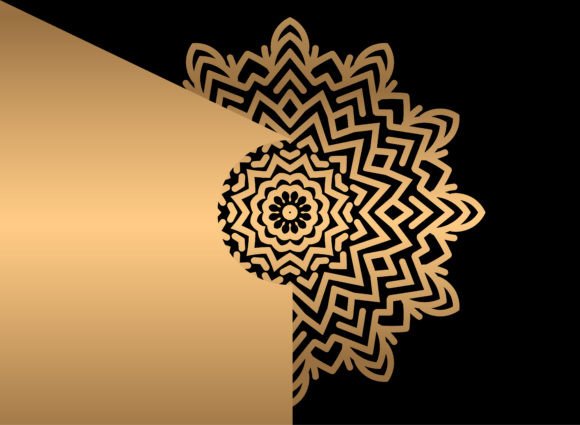
The Mandala. Ethnic Decorative Element is more than just an ornamental design—it is a versatile artistic resource that bridges cultural aesthetics with modern creative applications. Combining intricate patterns from Islamic, Arabic, Indian, and Ottoman traditions, this collection of hand-drawn backdrops offers professionals, entrepreneurs, and creatives a unique way to infuse ethnic authenticity into their work. Whether you're designing packaging, marketing materials, or digital assets, the Mandala. Ethnic Decorative Element can serve as a powerful visual tool when used intentionally.
Understanding the Mandala. Ethnic Decorative Element
Derived from the Sanskrit word "mandala," meaning circle, these designs symbolize harmony, balance, and spiritual unity across various cultures. The Mandala. Ethnic Decorative Element captures this essence through a fusion of traditional motifs—geometric stars from Islamic art, floral arabesques from Arabic culture, mandala-inspired symmetrical forms from India, and the elaborate calligraphic elements characteristic of the Ottoman Empire.
This blend makes it particularly useful in projects seeking to evoke cultural richness without appropriating it. By using hand-drawn backdrops with these motifs, designers can add depth and meaning to their creations while maintaining a professional and authentic appearance. These files are not only visually compelling but also offer practical flexibility, making them ideal for a wide range of applications.
Why This Design Resource Matters for Modern Creatives
In today’s global marketplace, cultural sensitivity and aesthetic appeal go hand in hand. The Mandala. Ethnic Decorative Element allows you to incorporate ethnic design elements into your work with confidence, knowing they are rooted in tradition and presented in a respectful, stylized manner. Its strategic value lies in its ability to:
- Add a layer of sophistication to branding and product design
- Support storytelling by connecting visuals to cultural heritage
- Offer a consistent yet adaptable backdrop for print and digital media
For marketers and business owners, this means you can create campaigns that resonate on a deeper level with diverse audiences. For educators and publishers, it provides a rich visual context for content related to history, religion, or cultural studies. And for freelancers and creators, it's a valuable asset that can elevate the quality of your deliverables and set you apart from competitors.
Strategic Applications Across Industries
Thoughtful integration of the Mandala. Ethnic Decorative Element can support multiple aspects of your work, including positioning, communication, and branding. Here are some realistic use cases where this design resource shines:
1. Branding and Identity Development
Brands targeting niche markets or those with a multicultural customer base can benefit from using these motifs to build a distinctive identity. For instance, a wellness brand inspired by Middle Eastern or South Asian philosophies might use the Mandala. Ethnic Decorative Element to craft logos, website headers, or social media templates that reflect their ethos.
By aligning visual choices with thematic goals, brands can create a stronger emotional connection with their audience. The key is to ensure that the design supports the brand narrative rather than serving as a superficial overlay.
2. Product Packaging and Print Design
With 100 vector-based, resizable, and printable files included, the Mandala. Ethnic Decorative Element is perfect for creating high-quality packaging or promotional materials. These EPS files allow for seamless scaling, ensuring that whether you're printing on a small label or a large poster, the detail remains intact.
Consider how a boutique selling handmade goods could use these designs to enhance their packaging. By incorporating an elegant Mandala backdrop, the products gain an air of authenticity and craftsmanship that appeals to discerning customers. The same logic applies to event invitations, calendars, or educational posters requiring a touch of ethnic elegance.
3. Digital Content and Website Aesthetics
Designers working on websites, mobile apps, or online brochures will appreciate the PNG and SVG formats provided. These files are optimized for clarity and adaptability across different platforms. The Mandala. Ethnic Decorative Element can be used as background textures, dividers between sections, or subtle accents behind text.
A travel blog focused on the Silk Road or a fashion site highlighting traditional garments could integrate these motifs to enrich the user experience. The result is a cohesive look that enhances engagement and communicates attention to detail.
4. Educational and Cultural Resources
Educators and authors often seek ways to make complex subjects more engaging. Using Mandala. Ethnic Decorative Element in textbooks, e-learning modules, or museum exhibits can help contextualize information about Islam, Arabic architecture, Indian textiles, or Ottoman calligraphy. It adds a visual dimension that aids memory retention and makes learning more immersive.
These designs can also be used to break up dense text in presentations or reports, helping to maintain reader interest and highlight important points.
Planning Thoughtfully with Mandala. Ethnic Decorative Element
To get the most out of this design collection, start by defining clear objectives. Ask yourself: What do I want to communicate? Who is my audience? How does the design support my message?
- Align with Theme and Tone: Choose motifs that match the subject matter. For example, an article on meditation may benefit from a more minimalist Mandala backdrop, while a festival-themed brochure might suit a more vibrant pattern.
- Test Visual Hierarchy: Ensure that the decorative element doesn't overpower the primary content. Use transparency or color adjustments to keep the focus on what matters most.
- Consider Cultural Context: Research the symbolism behind each motif to avoid unintended misinterpretations. Understanding the origins helps in making informed design decisions.
One planning tip is to maintain a library of preferred motifs and combinations. This streamlines future projects and ensures consistency in your creative output. Also, since all files are editable (EPS, AI), you can tailor them to fit specific color schemes or layout requirements, reinforcing your brand identity across platforms.
Real-World Examples of Intentional Use
Let’s explore a few practical scenarios where the Mandala. Ethnic Decorative Element has been applied strategically:
- Interior Design: A designer creating a space with an Indian theme uses a Mandala backdrop to frame a room divider, enhancing the visual cohesion of the area without overwhelming it.
- Event Marketing: An entrepreneur promoting a Middle Eastern food festival integrates an Arabic-style Mandala into the event logo and ticket design, giving attendees a sense of anticipation and cultural immersion.
- Printed Merchandise: A publisher producing a coffee table book on Ottoman history incorporates these motifs into chapter headings and page borders, adding a tactile and visual richness that elevates the overall product.
Each of these examples shows how the Mandala. Ethnic Decorative Element isn’t just decorative—it plays a functional role in supporting the project’s purpose and enhancing its impact.
Risks and Considerations
While the Mandala. Ethnic Decorative Element offers many benefits, there are risks if it’s used without careful thought. One common pitfall is allowing the design to become a distraction rather than a complement. Overuse or poor placement can diminish the effectiveness of your message and dilute your brand’s visual identity.
Another risk is the potential for cultural insensitivity. Even though the designs are stylized and respectful, it’s essential to understand their roots and use them in appropriate contexts. Blindly applying these motifs to unrelated themes can lead to misrepresentation or alienation of target audiences.
Before relying on these files, take time to evaluate how they fit within your broader strategy. Ask questions like:
- Does this design enhance or confuse the message?
- Will it resonate with the intended audience?
- Am I using it in a way that honors its cultural significance?
Maximizing Long-Term Value
To ensure long-term results from using the Mandala. Ethnic Decorative Element, treat it as part of a larger creative ecosystem. Build reusable templates that include these motifs so you can quickly apply them across new projects while maintaining consistency. This approach saves time and strengthens your brand’s visual language over time.
Additionally, consider combining these ethnic elements with other design strategies such as minimalism or flat design. The contrast between intricate backdrops and clean typography can create a striking visual balance that draws attention and improves readability.
Freelancers and agencies can also package these resources into client offerings. Providing access to such a detailed and culturally rich design library can position you as a thoughtful partner who understands both form and function in design.
When to Avoid Using It
Not every project needs an ethnic decorative backdrop. If your goal is to maintain a modern, minimalist aesthetic, or if the subject matter is unrelated to the cultures represented in the motifs, it may be better to opt for simpler design solutions.
Also, avoid using these files in situations where clarity is paramount. For instance, technical manuals or legal documents require straightforward layouts. In such cases, the Mandala. Ethnic Decorative Element should be used sparingly or not at all.
How to Approach Integration
Here are some steps to follow when incorporating the Mandala. Ethnic Decorative Element into your workflow:
- Define Your Objective: Understand what you’re trying to achieve with the design. Is it to evoke a feeling, represent a culture, or enhance visual appeal?
- Select Appropriate Motifs: Browse the 100 available designs and choose ones that best reflect your theme. You can easily change colors to match your palette.
- Test in Real Environments: Apply the selected motifs to mockups of your final product. See how they perform under different lighting conditions and screen sizes.
- Seek Feedback: Share early versions with colleagues or target users to gauge reactions. This helps identify any issues before final production.
By following these steps, you ensure that the Mandala. Ethnic Decorative Element serves your strategic goals rather than becoming an afterthought.
Conclusion
The Mandala. Ethnic Decorative Element is a rich and flexible design resource that can support creativity, branding, and communication efforts across industries. When used with intention and understanding, it becomes more than just a visual enhancement—it becomes a meaningful component of your design strategy.
Whether you're looking to improve customer experience, streamline operations, or simply bring a touch of cultural elegance to your work, these hand-drawn backdrops offer a unique opportunity. With 100 color-changeable, scalable, and printable options, you have the tools to experiment and refine your approach until you find the perfect fit.
If you need guidance on how to implement these files effectively, don’t hesitate to reach out. I am always ready to help. Thank you for downloading and considering how this resource can contribute to your next project.