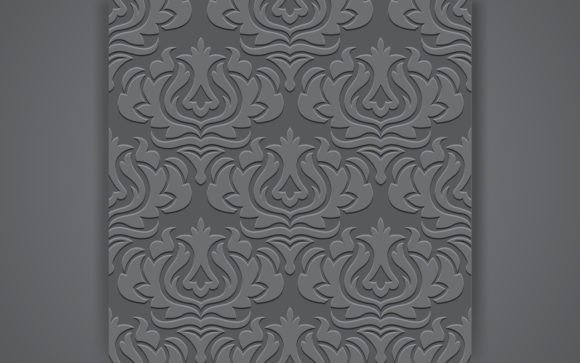
Paper Cut Decorative Backgrounds: A Practical Guide for Creative Integration
Adding visual interest and a touch of elegance to your digital projects can be achieved with the right design elements. One such element is the Paper Cut Decorative Background, a versatile graphic that mimics the intricate, hand-cut paper art traditionally used in celebrations and cultural events. These backgrounds are not only aesthetically pleasing but also serve as powerful tools for enhancing the visual storytelling of your work. Whether you're a designer, marketer, educator, or blogger, understanding how to use these graphics effectively can elevate your output and streamline your creative process.
Understanding the Paper Cut Decorative Background
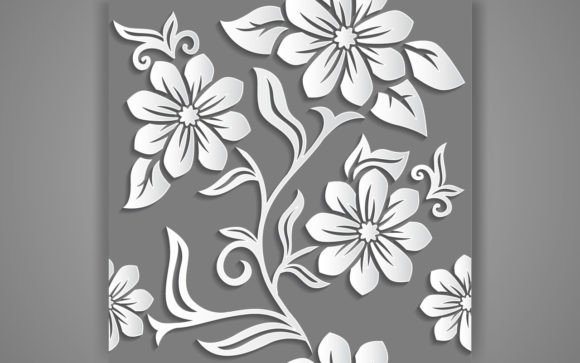
A Paper Cut Decorative Background is typically a digitally rendered image inspired by the delicate patterns of traditional paper cutting. It combines artistic flair with modern design software like Adobe Illustrator to create clean, scalable files that can be adapted for various uses. The beauty of this style lies in its ability to add texture, depth, and a unique visual identity to any project without overwhelming the main content.
These backgrounds are ideal for themes centered around culture, nature, holidays, or anything requiring a subtle yet impactful design. They often feature repeating motifs, floral patterns, geometric shapes, or symbolic imagery—elements that can easily blend into your existing layouts while still making a statement.
Where It Fits Into Your Workflow
The integration of a Paper Cut Decorative Background should align with your overall design strategy. Here’s how it might fit into different stages of your workflow:
- Before a Project: Use the background as a mood board element to set the tone for your design direction. Its intricate details can help you visualize how other components will interact within the space.
- During Design: Apply it as a base layer in your layout to frame text, images, or illustrations. This ensures consistency across your design assets and maintains a cohesive theme throughout your project.
- After Completion: Incorporate it into final deliverables such as brochures, website headers, social media posts, or packaging designs. This step helps finalize the look and feel of your product before sharing it with an audience.
By considering where the background fits best, you can avoid unnecessary revisions and ensure it complements rather than competes with other design elements.
File Formats and Compatibility
When sourcing a Paper Cut Decorative Background, you’ll likely encounter multiple file formats such as SVG, PNG, AI, JPG, EPS, and PDF. Each format serves a specific purpose and compatibility varies depending on your intended use:
- SVG (Scalable Vector Graphics): Perfect for web designers who need high-quality, scalable images that maintain clarity at any size.
- PNG: Offers transparency options, making it suitable for overlaying on various color schemes or photo-based designs.
- AI & EPS: Ideal for print projects due to their vector-based nature, allowing for easy editing in Adobe Illustrator or similar software.
- JPG & PDF: Useful for quick sharing or embedding in documents where editable layers aren’t necessary.
Having access to multiple file types gives you flexibility. For example, if you’re designing a presentation slide deck in PowerPoint, using a PNG might be more straightforward than importing a vector file. On the other hand, if you're working in a digital illustration tool, SVG or AI would allow for greater customization and scalability.
Practical Use Cases Across Industries
The application of a Paper Cut Decorative Background isn't limited to a single field. Here are some real-world scenarios where it can be beneficial:
Marketing and Branding
In marketing materials, such as flyers, email newsletters, or landing pages, a Paper Cut background can evoke a sense of tradition and craftsmanship. It's especially effective for brands targeting niche markets like eco-friendly products, artisan goods, or heritage-themed campaigns.
For instance, when launching a new line of handmade stationery, placing the background behind product photos or promotional text can reinforce the brand's aesthetic and message.
Education and Presentations
Teachers and presenters can use these backgrounds to make slides more engaging. Whether it's for a history lesson about Chinese New Year traditions or a design class showcasing typography techniques, the Paper Cut style adds a visual anchor that enhances learning experiences.
It's important to balance the complexity of the background with readability. Using a semi-transparent version ensures that the foreground content remains clear and accessible to students or viewers.
Bloggers and Content Creators
Blogs focusing on DIY, lifestyle, or cultural topics can benefit from the Paper Cut Decorative Background as part of their header or post templates. It creates a consistent look across the site, which is essential for building brand recognition and user trust.
Freelancers and bloggers often manage multiple platforms simultaneously. Having the background available in various formats ensures it can be used seamlessly on websites, Instagram posts, or printed zines.
Entrepreneurs and Small Businesses
Small business owners frequently juggle branding tasks with operational responsibilities. A ready-to-use decorative background simplifies their design process, enabling them to maintain a polished appearance across all materials—from packaging to social media banners—without needing advanced design skills.
These backgrounds can be layered under product listings, logos, or promotional copy to create a unified brand experience. Their adaptability makes them a valuable asset in a tight schedule.
Workflow Tips for Smooth Implementation
To maximize the value of your Paper Cut Decorative Background, consider the following practical tips:
- Choose the Right Format: Match the file type to your platform. For example, SVG works well for responsive web design, while AI/EPS is better for print-ready assets.
- Maintain Visual Hierarchy: Ensure the background supports—not distracts from—the primary content. Adjust opacity or scale down intricate areas to preserve focus.
- Test Across Devices: Especially for digital use, verify that the background looks good on both desktop and mobile screens. High-resolution JPEG or PNG files are recommended for online visibility.
- Stay Organized: Save each file type in clearly labeled folders. This practice helps streamline future edits or reuse of the background in different contexts.
- Use Consistently: Apply the same background across related materials (e.g., social media posts, email signatures) to build a recognizable and professional brand identity.
Integration with Other Tools and Resources
A Paper Cut Decorative Background works best when integrated with complementary design tools and methods. If you're using Canva, Figma, or Adobe Photoshop, import the background and adjust it to match your project’s color scheme and font choices. You can also pair it with flat design elements, minimalist icons, or vintage-style illustrations for a cohesive aesthetic.
For those managing large-scale projects, storing the background in a centralized design resource hub—like Google Drive or Dropbox—ensures team members have access to the correct version. Version control becomes easier when combined with naming conventions such as “paper-cut-bg_v1.ai” or “holiday-pattern_final.svg.”
Collaboration tools like Slack or Trello can be used to share updates and feedback during the integration phase. This keeps everyone aligned and avoids last-minute changes that could disrupt the design flow.
Long-Term Use and Quality Control
One of the key advantages of using a professionally created Paper Cut background is its potential for long-term use. Unlike low-quality stock images, vector-based files remain sharp and clear regardless of scaling, which is crucial for maintaining quality over time.
Regularly review the background’s relevance to your evolving brand or project needs. While the design may suit a current campaign, it’s worth assessing whether it continues to reflect your goals as they change. This doesn’t mean discarding it entirely; instead, consider updating the palette or combining it with new elements to keep the look fresh.
Also, think about how the background interacts with emerging trends. For example, if your brand moves toward a more modern or minimalistic approach, you may want to simplify the Paper Cut design or use it sparingly in accents rather than full-page backgrounds.
Efficiency and Usability Considerations
Usability is another critical factor. Since these are digital files, they require no physical handling and can be implemented quickly. However, efficiency depends on your familiarity with the software you're using. If you're not confident in vector editing, opt for PNG or JPEG versions to save time.
Here’s a sample workflow for a small business owner preparing for a holiday sale:
- Download the Paper Cut Decorative Background in AI and PNG formats.
- Open the AI file in Adobe Illustrator and adjust colors to match the seasonal theme.
- Export the updated design as a PNG for use in online ads and social media posts.
- Use the original AI file to make further tweaks for print materials like brochures or posters.
- Store both versions in a shared folder for team access and future reference.
Designing with Purpose: Real-World Examples
Let’s explore a few real-world examples of how a Paper Cut Decorative Background can enhance a project:
- Website Redesign: A boutique clothing store redesigned its homepage using a Paper Cut pattern in the header. The background added warmth and cultural authenticity, aligning with the brand’s artisanal image.
- Event Invitation: A wedding planner included a Paper Cut border in her client’s invitation suite. The design was both elegant and distinctive, helping the event stand out among competitors.
- Product Packaging: A candle company used a subtle Paper Cut pattern in their box design. The result was a visually appealing package that conveyed a sense of craftsmanship and attention to detail.
Each case demonstrates how thoughtful placement of a decorative background can support the overall message and improve the perceived quality of the end product.
Conclusion: Making Informed Design Choices
While the Paper Cut Decorative Background is a visually rich asset, its success hinges on how well it integrates into your workflow and aligns with your goals. By choosing the right file format, testing compatibility, and applying it strategically, you can leverage this design element to enhance your projects without sacrificing usability or efficiency.
Whether you're creating content for a blog, designing marketing collateral, or organizing a presentation, taking a methodical approach to incorporating a Paper Cut background ensures it contributes meaningfully to your output. With preparation and attention to detail, you can transform simple visuals into compelling, professional-grade designs that resonate with your audience.