The Rise of Islamic Decorative Mandala Backgrounds in Modern Design
Islamic decorative mandala backgrounds have emerged as a powerful and versatile design element, blending the intricate beauty of Islamic art with the timeless symbolism of mandalas. These patterns are not only visually stunning but also culturally rich, making them an attractive choice for professionals and creatives across various industries. With their availability in high-quality editable formats such as EPS, AI, SVG, JPG, PDF, and even a help file, they offer unmatched flexibility and ease of customization—especially when it comes to color adjustments using RGB values. This article explores the significance of these designs, how they align with current creative and market trends, and why they're becoming increasingly popular among designers, entrepreneurs, and lifestyle brands.
What Is an Islamic Decorative Mandala Background?
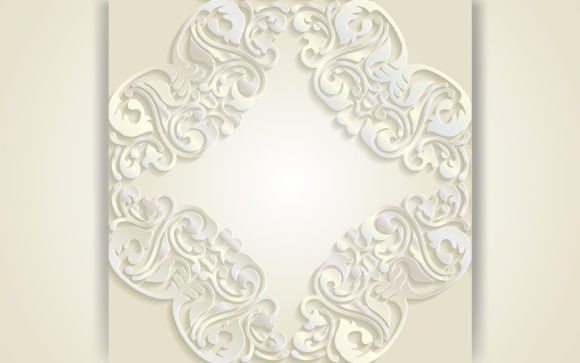
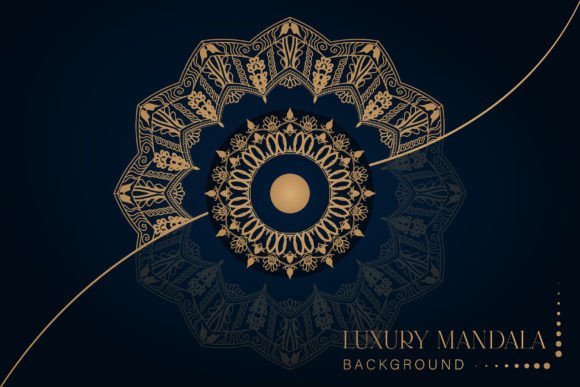
An Islamic decorative mandala background is a stylized geometric or floral pattern inspired by traditional Islamic art and mandala motifs. While mandalas originate from Hindu and Buddhist traditions, their universal appeal has led to adaptations across cultures, including within Islamic design. These mandalas often feature symmetrical shapes, repetitive patterns, and intricate details that reflect harmony, spirituality, and mathematical precision—core principles in both Islamic and sacred geometry.
In modern design contexts, Islamic mandala backgrounds are used to add depth, elegance, and cultural resonance to digital and print projects. They can be found in everything from website headers and app interfaces to luxury packaging and branding materials. Their adaptability lies in their structure: being vector-based (in formats like AI, EPS, and SVG), they can scale without losing quality, and their RGB color settings allow for seamless integration into any color scheme or theme.
Historical Roots and Cultural Significance
Islamic art has long been celebrated for its non-figurative nature, focusing instead on calligraphy, arabesques, and geometric patterns. These elements symbolize the infinite nature of creation and the divine order present in the universe. When combined with the meditative and symbolic qualities of mandalas, Islamic decorative mandalas become more than just visual elements—they become a bridge between tradition and contemporary aesthetics.
For those who appreciate the spiritual depth of Islamic culture, these mandalas serve as a reminder of the interconnectedness of all things. For others, they provide a unique opportunity to incorporate meaningful and sophisticated visuals into their work without compromising artistic integrity.
Why the Industry Is Embracing Islamic Decorative Mandala Backgrounds
In today’s globalized world, businesses and creators are constantly seeking ways to stand out while appealing to diverse audiences. The use of Islamic decorative mandala backgrounds taps into this need by offering a fresh, culturally grounded alternative to generic design templates. As companies strive to create inclusive and authentic content, especially in regions with large Muslim populations, incorporating these elements helps foster a sense of connection and respect.
Moreover, the rise of minimalist and maximalist design trends has opened new doors for mandala-inspired patterns. In minimalist contexts, mandalas can subtly enhance a layout with texture and movement. In maximalist spaces, they can take center stage, adding layers of complexity and visual interest. This duality makes them suitable for a wide range of applications—from luxury fashion and architecture to web design and social media graphics.
Applications Across Industries
- Web and App Design: Developers and UX/UI designers are leveraging mandala backgrounds to create immersive user experiences. The patterns add a touch of sophistication without overwhelming the interface, especially when layered behind clean typography and subtle animations.
- Luxury Branding: High-end fashion and lifestyle brands are using these backgrounds to elevate their visual identity. A well-designed mandala can evoke a sense of exclusivity and timelessness, aligning with the brand's premium positioning.
- Print Media: From event invitations and book covers to product packaging and stationery, mandala backgrounds bring an artisanal feel to printed materials. Their high-resolution 300 DPI format ensures clarity and professionalism in every detail.
- Interior Design: Architects and interior designers are integrating these patterns into wall murals, textiles, and decorative accents. The symmetry and flow of mandalas complement modern and traditional spaces alike, creating a serene yet opulent atmosphere.
Changing Preferences and Workflows in Creative Industries
Designers today prioritize efficiency and adaptability. With the increasing demand for responsive and multi-platform-ready assets, having access to editable files like AI and EPS is invaluable. These formats allow for easy modifications—whether resizing, re-coloring, or adjusting specific elements—without compromising quality. The ability to change colors via RGB values means that a single mandala background can be tailored to fit multiple branding guidelines or seasonal campaigns.
Additionally, the shift toward remote collaboration and freelance workflows has made it essential for creatives to have resources that are easily shareable and customizable. Files included after purchase—such as SVG, JPG, PDF, and AI—support this need by ensuring compatibility across software platforms and devices. Whether you're working in Adobe Illustrator, Photoshop, or online editors like Canva, these formats empower you to maintain consistency and creativity throughout your project lifecycle.
Real-World Examples and Observations
Several prominent brands and independent artists have successfully incorporated Islamic mandala backgrounds into their portfolios. One notable example is the use of these patterns in Ramadan-themed marketing campaigns. Companies selling halal products, greeting cards, or lifestyle items during this period often turn to mandala backgrounds to infuse their visuals with cultural authenticity and aesthetic appeal.
Freelancers specializing in graphic design report growing client interest in mandala-style backgrounds for websites and logos targeting Middle Eastern and South Asian markets. The popularity of these designs is further amplified by their relevance in wellness and mindfulness sectors, where mandalas are known to promote calm and focus. This cross-industry appeal demonstrates the versatility and broad relevance of Islamic decorative mandalas.
How to Make the Most of Luxury Islamic Decorative Mandala Background Designs
When choosing a luxury Islamic decorative mandala background design, it's important to consider both the visual impact and the technical capabilities of the file. Here are some practical tips to help you integrate these designs effectively:
- Understand Your Project Needs: Determine whether you need a full-page background or a subtle accent. Some mandalas are best suited for large-scale prints, while others work beautifully as overlays or borders.
- Customize with Purpose: Use the RGB color options to match your brand palette. Changing the background’s hue can dramatically alter the mood of a design, from warm and inviting to cool and elegant.
- Layer Thoughtfully: Don’t hesitate to combine the mandala with other design elements. Layering text, icons, or photography over the pattern can create a dynamic composition that draws attention without clutter.
- Maintain Clarity at Scale: Since these designs are often used in high-quality printing, always ensure that resolution remains intact. The 300 DPI specification guarantees professional-grade output, even in large formats.
- Use the Help File: Many downloadable packs include a help file that provides guidance on editing and optimizing the design. Take advantage of this resource to streamline your workflow and avoid common pitfalls.
Best Practices for Entrepreneurs and Marketers
Entrepreneurs and marketers looking to leverage Islamic mandala backgrounds should approach them as more than just a trend. Instead, view them as a strategic tool for storytelling and audience engagement. For instance, a brand launching a line of eco-friendly products might pair a mandala background with earthy tones and organic textures to reinforce themes of sustainability and balance.
Marketers in the hospitality industry have also found success using these designs to create visually cohesive branding for hotels and resorts in Islamic-majority countries. The mandala motif adds a layer of sophistication and local flavor, helping to differentiate their offerings in a competitive market.
The Future of Islamic Decorative Mandala Backgrounds
As design continues to evolve with new technologies and shifting consumer expectations, Islamic mandala backgrounds are poised to play an even greater role. With the rise of AI-driven design tools and generative art, we may see more personalized and adaptive mandala patterns that respond to user input or environmental cues. However, the core appeal—cultural richness and visual harmony—is unlikely to fade.
Consumers today are more informed and discerning than ever before. They seek authenticity, meaning, and uniqueness in the products and content they engage with. By integrating Islamic mandala backgrounds into their creative arsenal, professionals can meet these expectations head-on, delivering designs that resonate on both emotional and aesthetic levels.
Tech-Driven Customization and Accessibility
One of the most exciting developments in the use of mandala backgrounds is the accessibility provided by modern design software. Tools like Adobe Illustrator make it simple to edit paths, adjust stroke widths, or isolate individual components of the mandala for custom arrangements. This level of control allows designers to experiment and innovate, pushing the boundaries of what these traditional patterns can achieve in a digital space.
Furthermore, the inclusion of SVG files supports scalability and responsiveness, making these backgrounds ideal for mobile-first design strategies. As screen sizes and resolutions continue to vary, having a background that adapts without distortion is a significant advantage.
Conclusion
The Islamic decorative mandala background is more than just a design asset—it's a reflection of cultural heritage, a statement of style, and a functional component of modern creative workflows. Its ability to blend seamlessly into a variety of contexts, from luxury branding to digital marketing, makes it a valuable addition to any designer’s toolkit. With the convenience of editable files and the power of RGB customization, it's no surprise that these patterns are gaining traction among professionals and enthusiasts alike.
As industries continue to embrace diversity and innovation, Islamic mandala backgrounds will remain relevant—offering a unique way to connect with audiences while maintaining the highest standards of design quality. Whether you’re an entrepreneur, marketer, freelancer, or simply a design lover, exploring the potential of these backgrounds can open up new creative possibilities and set your work apart in a crowded digital landscape.