Decorative Script Editable Text Effect: A Practical Guide for Designers and Creators
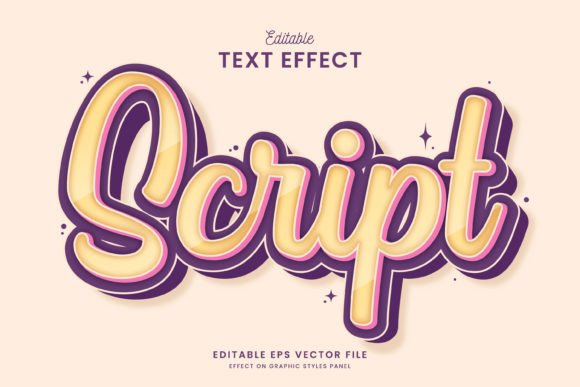
The Decorative Script Editable Text Effect is a powerful design resource that allows users to add artistic, customizable script text to their projects with ease. It’s particularly useful for graphic designers, marketers, educators, and hobbyists who need high-quality, editable text elements without the hassle of complex workflows. Whether you're creating logos, social media graphics, invitations, or branding materials, this tool provides flexibility and control while maintaining professional results.
What Is a Decorative Script Editable Text Effect?
A decorative script editable text effect is a vector-based design file that features stylized, handwritten-like text which can be modified in terms of shape, color, size, and font. Unlike standard text effects, these files are fully editable, meaning you can change individual letters, adjust spacing, or apply custom colors directly within your design software — typically Adobe Illustrator. The effect combines aesthetic appeal with practical usability, making it an essential asset in creative workflows.
Where Does It Fit Into Your Workflow?
This type of text effect is most commonly used during the visual design phase of any project. It helps bring concepts to life by offering a more personalized and artistic touch than regular fonts. However, its utility isn't limited to just one stage:
- Before starting a project, use the effect as inspiration or mood-setting content to guide your overall design direction.
- During the creation process, integrate the text into your designs to maintain consistency and streamline editing.
- After completing a project, it can be repurposed across multiple platforms like websites, print materials, or presentations.
Use Cases Across Industries
For entrepreneurs and small business owners, this text effect is ideal for crafting brand assets such as signage, product labels, or promotional banners. Educators might use it for certificates, class announcements, or educational posters. Bloggers and content creators can enhance headers, quotes, or blog titles to make them visually engaging. Marketers may find it valuable for designing eye-catching ad campaigns or social media posts.
Key Features That Make It Stand Out
One of the main advantages of using a decorative script editable text effect is the level of customization it offers. Here's what makes it a preferred choice among professionals:
- 100 Editable Text Elements: Each character is designed separately, allowing for precise adjustments to fit your layout or message.
- Easy To Customize: You can modify colors, shapes, and even individual letterforms without losing quality or resolution.
- Compatibility with Adobe Illustrator CC and Higher: Works seamlessly with industry-standard design tools, ensuring smooth integration into existing workflows.
- RGB Color Support: Perfect for digital use, providing vibrant and accurate color rendering on screens.
- Free Fonts Used: Eliminates licensing concerns and ensures you can use the text in commercial or personal projects without restrictions.
- Multiple File Formats: Comes in .zip, .eps (Adobe Illustrator), and JPG formats, giving you options for both editable and static output.
How to Use It in Real Projects
Here’s how you can implement the Decorative Script Editable Text Effect in your next design project:
- Download and Unzip: Once purchased, download the .zip file and extract its contents. Inside, you’ll find the .eps file for editing and the JPG for quick reference or final output.
- Open in Adobe Illustrator: Launch Adobe Illustrator CC or a newer version, and open the .eps file. All text elements should appear as separate editable components.
- Edit as Needed: Change the text content, adjust colors via the swatches panel, resize specific characters, or reposition elements to match your layout.
- Export for Use: After customization, save the file in your preferred format (.eps for future edits, JPG for web or print use).
Workflow Integration Tips
Integrating this text effect into your workflow requires a bit of planning. Start by outlining your project needs and determining where script-style text will add value. For example, if you're designing a wedding invitation, the script text can serve as the title or key phrases. If you're building a logo for a boutique, it could form the foundation of your typography. Once you've identified the purpose, follow these best practices:
- Organize your layers clearly so each editable text component is easy to locate.
- Keep a backup copy of the original .eps file to ensure you always have access to the editable version.
- Test different color variations in RGB mode before finalizing your design for digital use.
- Use the JPG preview to quickly assess how the text will look when printed or published online.
Working With Other Tools and Assets
The Decorative Script Editable Text Effect doesn’t exist in isolation. It often works alongside other design tools and resources. For instance, after customizing the text in Illustrator, you might export it to Photoshop for background layering or combine it with stock images from sites like Unsplash or Shutterstock. In web development, SVG or PNG versions of the text can be uploaded directly into CMS platforms or used in HTML/CSS layouts for dynamic text placement.
Additionally, because the text uses free fonts, it pairs well with font pairing tools like Google Fonts or Adobe Typekit to maintain a cohesive typographic style across your entire project. This compatibility ensures that your text effect complements rather than clashes with other design elements.
Collaboration and Team Use
If you’re working in a team setting, the editable nature of the text effect becomes especially important. Designers can hand off the .eps file to developers or marketers who need only to make minor tweaks or export the file in a suitable format. Version control is also simplified since all team members can access the same base file and avoid confusion from multiple copies or incompatible formats.
Preparation and Quality Control
Before applying the Decorative Script Editable Text Effect, take time to prepare your workspace. Ensure Adobe Illustrator is updated to at least CC or higher, as older versions may not support some advanced vector features. Also, verify that your project dimensions and resolution settings align with the intended output — whether it's for print or digital display.
Quality control is another critical factor. Always check the alignment of characters, especially if you’ve moved or resized them individually. Use the Align tool in Illustrator to keep everything centered or evenly spaced. Additionally, test the text in different sizes and resolutions to confirm it remains legible and aesthetically pleasing across various mediums.
Organizing Your Files
With 100 editable text elements included, organization is key. Create folders for different variations (e.g., uppercase, lowercase, special characters) or label each element according to its function. This approach saves time and reduces errors when you return to the file later for updates or revisions. Keeping your design library tidy ensures long-term efficiency and easier reuse of assets.
Long-Term Use and Scalability
Because the text is in vector format, it scales perfectly without pixelation. This means you can use it for anything from a tiny favicon to a large billboard. The ability to resize and recolor easily makes the decorative script editable text effect a scalable solution for growing brands or evolving projects.
As your business or creative portfolio expands, having a consistent text effect can help reinforce your identity. Consider developing a set of variations based on the core file — such as bold, italic, or condensed styles — to build a comprehensive text library that supports a range of applications.
Efficiency in Action
Imagine you're preparing a series of social media posts for a new product launch. Instead of sourcing and styling a font for each post, you can use the pre-designed script text effect as a base. Simply edit the text content, adjust colors to match your campaign theme, and export each version as needed. This not only speeds up the design process but also maintains a unified visual language across all platforms.
Common Challenges and Solutions
While the Decorative Script Editable Text Effect is user-friendly, there are a few potential issues to watch for:
- Font Conflicts: Even though free fonts are used, sometimes system fonts can interfere. Always double-check that the correct font is embedded or linked in the file.
- Layer Complexity: With many individual elements, layers can become cluttered. Use Illustrator’s Layer Options panel to group and name layers logically.
- Color Mode Mismatch: If exporting for print, convert the file to CMYK instead of RGB. But for digital work, stick to RGB for optimal screen performance.
When in doubt, reach out to the designer or seller for assistance. Most offer support to help resolve issues related to file structure, compatibility, or formatting.
Why Choose an Editable Vector Format?
Vector-based text effects offer significant advantages over raster images. First, they maintain clarity at any size, making them perfect for both digital and print use. Second, they allow for non-destructive editing, so you can tweak the design repeatedly without degrading quality. Lastly, vectors are searchable and editable in compatible software, giving you more control over the final output.
By choosing a vector format like .eps, you’re investing in a versatile and future-proof design asset. As your needs evolve, you can adapt the text effect to suit new contexts, ensuring it continues to provide value over time.
File Organization and Storage
To maximize usability, store the .eps and JPG files in a dedicated folder within your design library. Label them clearly with tags like “editable,” “script,” and “branding” for easy retrieval. If you're managing multiple text effects, consider using a naming convention that reflects the project or client they were created for. This keeps your assets organized and accessible, especially when working under tight deadlines or juggling several tasks simultaneously.
Final Thoughts on Implementation
Incorporating the Decorative Script Editable Text Effect into your workflow is straightforward when approached with a clear plan. Think about where script text adds value, how it integrates with other design elements, and the long-term goals of your project. By treating it as part of your broader design strategy rather than a standalone feature, you'll unlock greater creativity and efficiency.
Remember, the goal is to streamline your process while enhancing the visual impact of your work. Whether you're a seasoned designer or just starting out, the right text effect can elevate your output and help you stand out in a competitive market.
If you encounter any problems with the files — such as missing layers or incorrect color profiles — don’t hesitate to contact the creator for support. Clear communication ensures smoother implementation and better outcomes.