How Decorative Flower Backgrounds Can Elevate Your Creative Projects and Branding Strategy
Decorative flower backgrounds are more than just pretty visuals—they are strategic assets for professionals, entrepreneurs, and creators who want to enhance their branding, communication, and creative output. Whether you're designing invitations, greeting cards, or POD products, the right floral background can add depth, elegance, and a personal touch that resonates with your audience. This article explores how to use these assets effectively, when they make sense in your workflow, and what considerations should guide your choices.
The Strategic Value of Decorative Flower Backgrounds
When used thoughtfully, Decorative Flower Backgrounds can serve as a foundation for visual storytelling. They provide a natural aesthetic that is universally appealing and can subtly reinforce themes of growth, beauty, and connection—key elements in many marketing and design strategies. For businesses targeting niches like weddings, baby showers, wellness, or lifestyle content, these backgrounds help create a consistent and emotionally engaging visual language.
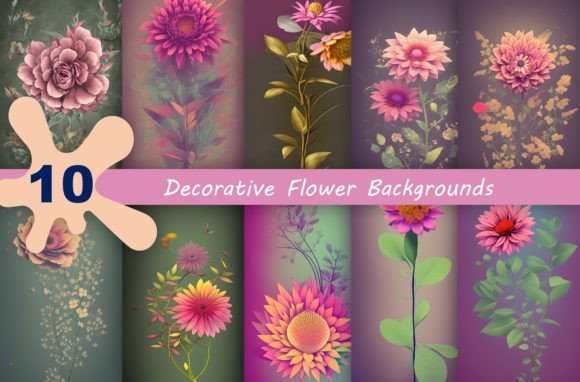
A high-resolution package such as one containing 10 .jpeg images at 8858 x 5906 pixels and 300 dpi offers incredible versatility. These dimensions ensure crisp prints whether you're producing large posters or small gift tags. The inclusion of a single ZIP folder simplifies organization and access, making it ideal for digital asset libraries or collaborative projects.
Use Cases Across Industries and Projects
Decorative Flower Backgrounds find their place in a wide array of applications. Here’s how different sectors and individuals can benefit from them:
- Greeting Cards: Add a handcrafted feel to seasonal cards or personalized messages. A floral backdrop creates warmth and charm without overpowering the text or imagery.
- Invitations: Whether for events like birthdays, anniversaries, or product launches, floral designs can set a tone of celebration or sophistication.
- Scrapbooking and Crafts: Use these backgrounds to bring life to photo albums, DIY projects, or handmade items. Their organic nature complements handwritten notes and photos.
- Notebook Covers: Design custom covers for planners, journals, or student notebooks. Floral patterns evoke creativity and can be tailored to match educational or professional themes.
- Print-on-Demand (POD) Products: Incorporate them into mugs, tote bags, calendars, or apparel. These designs can drive sales by offering customers aesthetically pleasing options.
- Bloggers and Publishers: Enhance website headers, blog thumbnails, or social media posts with floral accents that reflect your brand's personality and values.
Planning Thoughtful Integration
To maximize impact, consider how each background aligns with your specific goals. For instance, if you're a wedding planner aiming to build a cohesive theme for a client, choose a Decorative Flower Background that reflects the season or color palette of the event. If you’re an educator creating materials for students, opt for subtler designs that support readability and don’t distract from key information.
Here are some practical planning tips:
- Define the purpose: Ask yourself what message you want to convey. Is it elegance, simplicity, celebration, or inspiration?
- Match the style: Ensure the flowers complement other design elements. Do they harmonize with fonts, colors, and layout styles already in use?
- Consider the medium: High-resolution files work best for print; however, if you plan to use them online, optimize for web while retaining quality.
- Test before finalizing: Apply the background to mockups of your intended project to see how it performs visually and functionally.
Design Decisions That Matter
Not all floral backgrounds are created equal. To avoid generic results, focus on intentional design decisions. Think about the type of flowers, their color scheme, and the texture of the image. Are they realistic, watercolor-style, or stylized? Each choice affects the overall look and emotional response of your audience.
For example, using a minimalist floral pattern may suit a modern branding campaign, while an intricate botanical illustration could be perfect for a luxury product line. Always ask: What does my audience expect? What story do I want to tell through this visual?
Examples of Intentional Use
Example 1: A boutique skincare company uses a soft lavender floral background on their packaging and social media banners to communicate calmness and natural ingredients.
Example 2: A freelance graphic designer adds a subtle rose pattern behind testimonials on her portfolio site, enhancing the perceived warmth and professionalism of her brand.
Example 3: A teacher creates personalized certificates with dainty floral borders, making them stand out and appear more special to students and parents alike.
Risks of Using Decorative Flower Backgrounds Without Strategy
While attractive, decorative flower backgrounds can become distractions if not aligned with your overall design intent. A poorly chosen floral element might clash with your message, dilute your brand identity, or even confuse your audience. For instance, using bright tropical flowers on a corporate presentation may unintentionally suggest informality or lack of professionalism.
Another risk lies in overuse. Repetitive application of similar floral designs across multiple platforms can lead to visual fatigue and diminish the effectiveness of your branding. Balance is essential. Let the background support, not overshadow, the primary content.
Creating Long-Term Visual Consistency
Consistency is a cornerstone of strong branding. By selecting a curated set of Decorative Flower Backgrounds, you can maintain a uniform visual identity across your materials. This helps reinforce brand recognition and trust. Store your preferred files in the provided ZIP folder and organize them by category, such as "weddings," "notebooks," or "social media." This makes retrieval faster and ensures your creative process remains efficient.
Consider building a style guide around your chosen backgrounds. Include details like acceptable overlays, text placement, and complementary color palettes. This guide becomes invaluable when collaborating with others or scaling your content production.
Strategic Observations for Better Results
High-quality floral backgrounds contribute to better outcomes in several ways:
- They increase engagement by making visual content more inviting and memorable.
- They allow for quick rebranding or customization of existing templates.
- They reduce the need for complex graphic design tools, enabling non-designers to produce polished outputs.
- They streamline the creative process by providing ready-to-use assets that require minimal editing.
By investing in a professionally crafted collection like the one described—10 images in JPEG format—you're setting yourself up with reliable, versatile resources that can adapt to various needs over time.
Best Practices for Implementation
Here are some actionable steps to implement Decorative Flower Backgrounds effectively:
- Start with clarity: Know your objective before choosing a background. Is it for a product launch, customer appreciation, or educational material?
- Layer wisely: Use transparency or overlays to blend the floral design with other elements. Avoid covering important text or logos.
- Stay adaptable: Choose backgrounds that can be resized, cropped, or recolored without losing quality or relevance.
- Track performance: When used in marketing materials or websites, monitor how users respond. Adjust based on feedback and analytics.
Choosing the Right Time and Place
Timing matters. Use these backgrounds during seasons where floral aesthetics are naturally relevant—like spring promotions, summer campaigns, or holiday greetings. However, don’t limit yourself to tradition. Modern audiences often appreciate floral designs year-round when paired with the right context.
Also, think about platform-specific requirements. Social media, print collateral, and digital signage have varying resolution needs and formatting constraints. Make sure your selected images meet those standards to prevent pixelation or distortion.
Enhancing Creativity and Productivity
As a creator or marketer, you understand the value of efficiency. Decorative Flower Backgrounds offer a way to spark creativity without consuming too much time. Instead of starting from scratch, you can quickly apply a well-designed floral backdrop and focus your energy on refining the rest of the project.
This is particularly useful in fast-paced environments like e-commerce, where timely product launches depend on rapid yet polished design work. With a library of ready-to-use backgrounds, you can iterate faster and test different looks for optimal impact.
Decision-Making Guidance
When selecting a floral background for your next project, ask yourself:
- Does this design reflect the tone and intent of my message?
- Will it appeal to my target demographic?
- Can it be adapted for both print and digital formats?
- Is there room for customization, or will it remain static across all uses?
These questions help ensure your decision is grounded in strategy rather than impulse. Remember, the goal isn't just to look good but to communicate clearly and consistently.
Final Thoughts on Strategic Application
Incorporating Decorative Flower Backgrounds into your creative toolkit requires more than just downloading the files. It demands intentionality, understanding of your audience, and alignment with your broader objectives. When done right, these assets can significantly enhance your branding efforts, improve customer experience, and boost productivity.
With 10 high-quality JPEG images in a ZIP folder, you now have a valuable resource that can be applied to greeting cards, scrapbooking, invitations, and more. Use them to create consistency, elevate your visual storytelling, and make informed design decisions that yield long-term results.