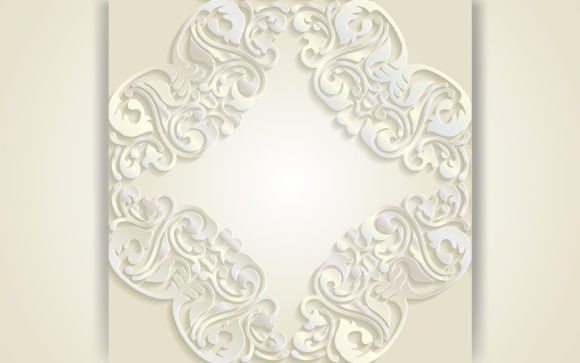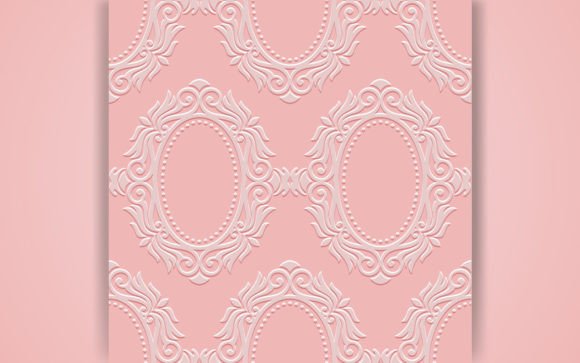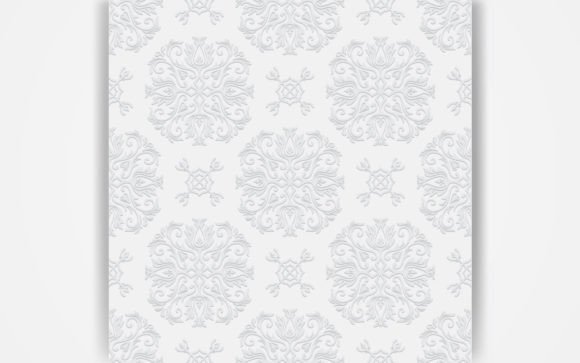
Paper Cut Decorative Background Design
Paper cut decorative background designs are a unique and elegant way to add visual interest and artistic flair to digital or print projects. Inspired by the traditional art of paper cutting, these designs feature intricate patterns, delicate shapes, and a handcrafted feel that can elevate the aesthetic of any creative work. Whether you're designing for a website, marketing material, blog post, or personal project, a well-chosen Paper Cut Decorative Background Design can help you stand out while maintaining a timeless appeal.
What Makes Paper Cut Backgrounds Unique?
The beauty of paper cut backgrounds lies in their craftsmanship. Unlike modern digital patterns, which often rely on geometric repetition, paper cut designs mimic the look of actual paper being folded, cut, and layered. This gives them a tactile and organic quality that's hard to replicate with other styles. The design elements—such as floral motifs, geometric lines, or abstract shapes—are carefully arranged to create depth and movement, making the background more than just a backdrop—it becomes part of the overall composition.
When created using vector software like Adobe Illustrator, Paper Cut Decorative Background Designs maintain clarity at any size, ensuring they look sharp whether printed on a business card or displayed on a large banner. Their versatility makes them suitable for a wide range of industries, from fashion and interior design to education and branding.
Who Can Benefit Most from These Designs?
Professionals across many fields can find value in Paper Cut Decorative Background Designs. For example:
- Graphic designers can use these backgrounds to add texture and visual storytelling to client presentations or branding materials.
- Bloggers and content creators might incorporate them into headers or promotional graphics to create a warm, inviting atmosphere.
- Event planners can enhance invitations, programs, or signage with this style to evoke a sense of tradition and elegance.
- Small business owners looking to differentiate their products can apply these designs to packaging or social media assets.
Even hobbyists and educators may find Paper Cut Decorative Background Designs useful for DIY projects, classroom decorations, or teaching tools that showcase cultural art forms.
How It Enhances Creativity and Communication
A well-crafted background doesn’t just fill space—it communicates tone, sets expectations, and guides the viewer’s attention. In the case of Paper Cut Decorative Background Designs, the visual language is subtle yet powerful. The delicate cuts and layered effects suggest attention to detail, craftsmanship, and a touch of nostalgia. This can be especially effective when paired with minimalist layouts or clean typography, where the background supports rather than competes with the main message.
For instance, a boutique clothing store could use a Paper Cut background in its email newsletter to highlight the handmade nature of its products. Similarly, a teacher creating a presentation on folk art traditions might use such a design to bring cultural context to life without overwhelming the content.
Practical Applications Across Industries
Let’s explore some real-world examples where Paper Cut Decorative Background Designs make a difference:
- Marketing and Branding: A brand aiming to convey authenticity and heritage might choose a Paper Cut background for its logo or packaging. The design adds an artisanal touch that resonates with customers who appreciate thoughtful, handcrafted visuals.
- Web Design: Website developers often seek ways to balance aesthetics with usability. A Paper Cut background can provide a visually engaging layer without distracting users, particularly when used sparingly in headers or section dividers.
- Print Media: From wedding invitations to product labels, these backgrounds can give printed materials a unique edge. They work especially well with matte finishes and embossing techniques, enhancing the physical experience of the design.
- Interior Design: Digital mockups for wall art or room designs benefit from the intricate details of Paper Cut backgrounds, helping visualize how textures and patterns will complement real spaces.
Each application shows how this design style isn't just about looks—it's about adding meaning and emotional resonance to your work.
Easy to Use and Highly Customizable
One of the key advantages of purchasing a Paper Cut Decorative Background Design is the ease of integration. Available in multiple file formats including SVG, PNG, AI, EPS, PDF, and high-resolution JPEG, it adapts to nearly any design software or platform. Vector files like AI and EPS allow for complete customization, letting you scale, recolor, or modify individual elements to match your specific needs.
Take SVG files, for example. Because they’re scalable, they’re perfect for web designers who need responsive elements that adjust seamlessly across devices. Meanwhile, PNG files with transparent backgrounds offer flexibility for overlaying text or images without worrying about unwanted borders or colors. High-resolution JPEG ensures crisp printing for those working with tangible materials.
This variety means you can tailor the design to fit your workflow, whether you're using Canva for quick edits or Adobe Illustrator for full customization. The note that this is a digital-only purchase is important: there's no shipping involved, so you get instant access and can start using the design right away.
Why Choose Paper Cut Over Other Styles?
While there are countless background design options available, Paper Cut stands out due to its blend of simplicity and sophistication. Here's why it might be a better choice than generic patterns or overly complex illustrations:
- Time Efficiency: Instead of spending hours designing a custom pattern, you can download a ready-to-use Paper Cut background and integrate it into your project quickly.
- Consistency: Using a professionally crafted design ensures that your visuals remain cohesive and polished, even if you're not an expert in graphic design.
- Adaptability: The design works across both digital and print platforms, reducing the need to source different assets for different uses.
- Cultural Relevance: Many people associate paper-cutting with traditional arts, which can add a layer of meaning and connection in culturally rich contexts.
Consider a freelance marketer who needs to create a series of social media posts for a new eco-friendly product line. By using a Paper Cut background, they can emphasize the product's natural and handcrafted qualities without needing advanced illustration skills. It’s a practical solution that aligns with the brand’s identity and saves time during the design process.
Use Cases That Highlight Value
Let’s dive into a few specific scenarios where a Paper Cut Decorative Background Design can be a game-changer:
- Wedding Invitations: A couple planning a rustic-themed wedding might choose a Paper Cut background to reflect their love for traditional crafts and handmade aesthetics. The design complements calligraphy fonts and vintage-style elements perfectly.
- Product Packaging: A small business selling artisanal candles could use a Paper Cut background on their box design to reinforce the idea of craftsmanship and care in every detail.
- Portfolio Websites: Artists and designers showcasing their work can use a Paper Cut background to unify their site’s look and feel, giving visitors a consistent visual experience that reflects their creative personality.
- Editorial Layouts: Magazine spreads or online articles on topics like sustainability or cultural history can benefit from the added visual depth of Paper Cut designs, making the content feel more immersive and thoughtfully presented.
These examples show how the design isn't just decorative—it serves a purpose by enhancing the message and supporting the brand’s values.
What to Consider Before Choosing a Design
While Paper Cut Decorative Background Designs are versatile, they aren't always the best fit. Consider the following before selecting one:
- Color Scheme: The intricate nature of the design means it can easily become lost against busy color palettes. Opt for neutral or complementary hues to keep the focus on the message.
- Text Legibility: If you plan to place text over the background, ensure there’s enough contrast and negative space to avoid readability issues.
- Project Context: Think about whether the handcrafted aesthetic matches your audience’s expectations. A tech startup might prefer a more modern look, while a wellness brand could embrace the warmth of a Paper Cut style.
It's also wise to compare options. Not all Paper Cut designs are created equal—some may have simpler compositions ideal for minimalism, while others are densely detailed and suited for bold statements. Your choice should reflect the tone and goals of your project.
Final Thoughts on Implementation
Integrating a Paper Cut Decorative Background Design into your workflow is more than just choosing a pretty image. It's about finding a design that complements your message, enhances user experience, and aligns with your brand’s personality. When used correctly, it can reduce decision fatigue, streamline your design process, and deliver a polished final product.
As a creator, educator, or professional, you want your work to speak volumes without saying much. A Paper Cut background helps you do exactly that—by subtly guiding perception and elevating the overall design. Its ability to blend tradition with modern applications makes it a valuable asset in today’s fast-paced creative landscape.
If you're looking for a design that offers both beauty and functionality, consider exploring what Paper Cut Decorative Background Design has to offer. With support for multiple file types and a clear emphasis on usability, it’s a resource worth evaluating for your next project.