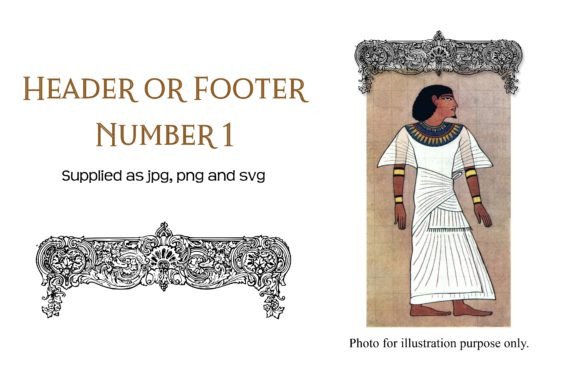
Vintage Decorative Header or Footer 1: A Timeless Design Element for Modern Use
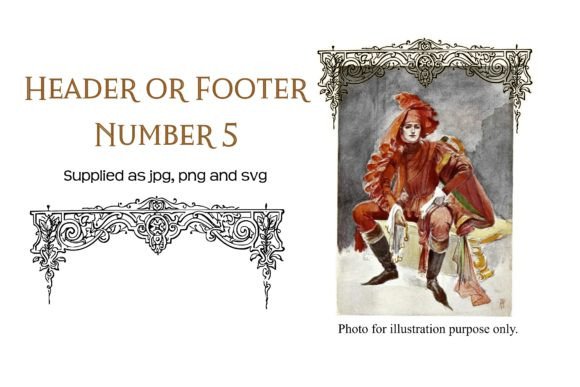
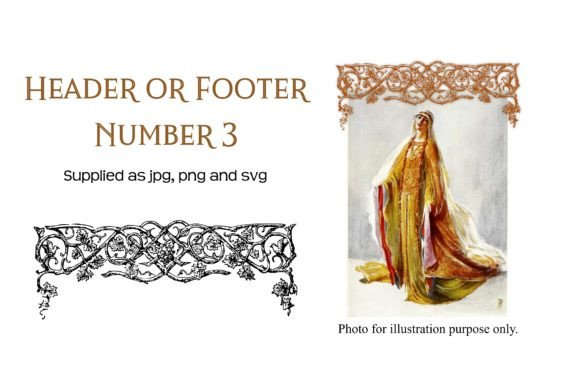
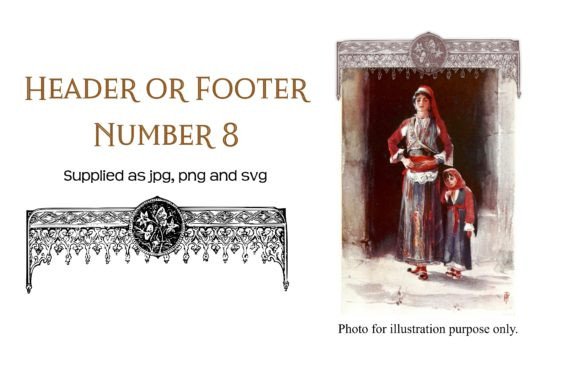
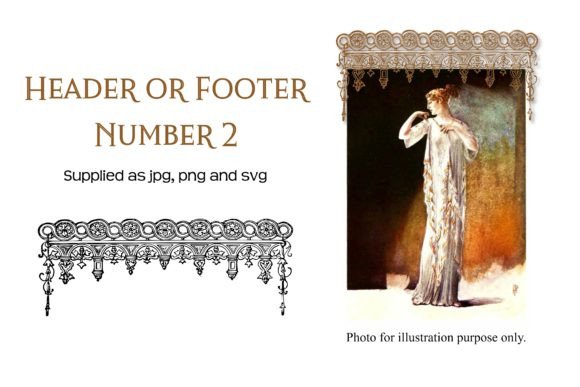
Vintage Decorative Header or Footer 1 is a classic design motif that brings a touch of elegance and nostalgia to digital and print projects. It's often used as a header or footer in documents, websites, and marketing materials to add visual interest and historical charm. This particular design comes in multiple formats — JPG, PNG, and SVG — making it versatile for various applications. Whether you're designing a website layout, preparing a presentation, or enhancing printed materials, this decorative element can serve as both a functional and aesthetic enhancement.
Real-World Applications Across Industries
The beauty of Vintage Decorative Header or Footer 1 lies in its adaptability. It’s not just for one specific industry or project type. Let’s explore how different sectors might use it effectively:
- Graphic Designers: When working on branding for a vintage-style café, boutique, or artisanal product line, this header or footer can help set the tone instantly. Its ornate patterns and subtle textures align well with retro aesthetics without overwhelming the content.
- Web Developers: Integrating this design into a website’s navigation bar or footer section can give a site a more refined appearance. The SVG format is especially useful here, allowing for scalable, high-quality visuals that maintain clarity across devices.
- Event Planners: Invitations, programs, and signage for themed events like steampunk conventions, antique fairs, or Victorian garden parties benefit from this kind of vintage flair. It adds an air of authenticity and sophistication that resonates with attendees looking for immersive experiences.
- Academic Institutions: Universities or research centers focusing on history, literature, or the arts may use this design in course syllabi, thesis templates, or official letterheads to reflect their subject matter visually.
- Small Businesses: If you run a small shop selling handmade goods, vinyl records, or retro fashion, using Vintage Decorative Header or Footer 1 on your packaging, social media graphics, or email newsletters can help reinforce your brand identity and appeal to your target audience.
Scenarios Where It Shines
This design works best in situations where the goal is to evoke a sense of tradition, craftsmanship, or timelessness. Here are some common scenarios where it can be particularly effective:
- Historical Document Replicas: When recreating old letters, manuscripts, or certificates, adding this header or footer gives them an authentic feel. It helps differentiate between modern interpretations and period-appropriate designs.
- Portfolio Websites: Artists, photographers, or illustrators who specialize in vintage or classical styles can use this design to frame their work. It creates a cohesive look that matches the creative direction of their portfolio.
- Magazine Layouts: In print or digital magazines covering topics like heritage, travel, or lifestyle, this header or footer can break up text sections and guide the reader through the content in a visually pleasing way.
- Wedding Stationery: For couples aiming for a rustic or vintage wedding theme, this design can be subtly incorporated into save-the-dates, invitations, or thank-you cards to enhance the romantic, timeless vibe they’re going for.
- Product Packaging: Especially for niche products such as organic teas, handmade soaps, or collectible items, using this decorative element can make the packaging stand out while appealing to consumers who value artisanal quality.
Who Can Benefit Most?
Different users will find unique value in Vintage Decorative Header or Footer 1 depending on their needs and goals. For example:
- Design Beginners: Those new to graphic design might appreciate the ready-made nature of this header/footer. It eliminates the need to create intricate borders from scratch, offering a polished look with minimal effort.
- Content Creators: Bloggers or YouTubers with a nostalgic or educational focus can use this design to highlight headings or footnotes in their posts or videos, making information more digestible and visually engaging.
- Educators: Teachers or professors preparing handouts, posters, or classroom materials for subjects like history or literature can use this design to make learning materials feel more dynamic and relevant to the topic.
- Marketing Teams: Campaigns targeting older demographics or promoting heritage brands can leverage this design to build trust and familiarity. It communicates professionalism while maintaining a warm, classic appeal.
Practical Tips for Implementation
Before applying Vintage Decorative Header or Footer 1 to your project, consider these practical insights to ensure it enhances rather than detracts from your message:
- Contrast is key: Choose colors that complement your background and text. If your design has dark, aged tones, pair it with light-colored headers or vice versa to improve readability.
- Balance with simplicity: Avoid overusing the design. A single instance per page or section is usually enough to make a statement without distracting from the main content.
- Test on different platforms: Because this design is available in multiple formats, always test how it looks on your intended platform — whether it’s a mobile-responsive website, a PDF brochure, or a printed poster.
- Respect file types: Use SVG for web-based projects to ensure scalability. JPG or PNG are better suited for print or static backgrounds where resolution matters more than flexibility.
- Match the context: Ensure the design feels appropriate for the content. While it’s perfect for a blog post about 19th-century architecture, it might not fit in a modern corporate report unless intentionally used for a retro-themed campaign.
Strengths and Limitations to Consider
No design element is universally perfect, and Vintage Decorative Header or Footer 1 is no exception. Here’s a quick breakdown of what you can expect:
Strengths:
- Offers instant visual depth and character without requiring advanced design skills.
- Works across various media types — print, web, and digital presentations.
- Supports customization via color overlays or transparent layers, allowing it to blend with most themes.
- SVG format enables easy resizing without loss of quality, which is essential for responsive web design.
Potential Limitations:
- May clash with minimalist or ultra-modern layouts if not used thoughtfully.
- Can become distracting when applied too frequently or in large quantities.
- Limited to the provided design variations, meaning it may not suit highly specific or custom stylistic requirements.
- If not properly optimized, larger image files (especially SVG) could affect loading times on websites.
Observing the Design in Action
To truly understand how Vintage Decorative Header or Footer 1 functions, let’s look at some real-world examples:
- A local museum uses this header in their newsletter to introduce each issue’s featured exhibit. The design immediately signals to readers that the content is historically rich and carefully curated.
- An online bookstore specializing in rare editions applies the footer to each product page, giving visitors a consistent visual cue that they’re exploring something unique and valuable.
- A freelance writer incorporates the header into her blog template, framing each article with a vintage border that reinforces her personal brand as a storyteller focused on past cultures and traditions.
Choosing the Right Format for Your Project
Since this design is offered in JPG, PNG, and SVG formats, selecting the right one depends on your specific needs:
- JPG: Best for images with complex gradients and soft edges. Ideal for print materials where file size and compatibility are important factors.
- PNG: Offers transparency and sharp lines, making it suitable for layered designs or when placing the header/footer over photos or gradients.
- SVG: Perfect for digital use, especially on websites or apps. It scales seamlessly and allows for further customization using CSS or JavaScript.
For example, if you’re creating a brochure with a photo-heavy layout, PNG would be the best choice to preserve detail and contrast. But if you're building a website with a dynamic layout, SVG ensures the design adapts smoothly across screen sizes.
Common Mistakes to Avoid
Even though Vintage Decorative Header or Footer 1 is user-friendly, there are a few pitfalls to watch out for:
- Overcomplicating the layout: Adding too many design elements around the header or footer can confuse the viewer and dilute the impact of your content.
- Ignoring accessibility: Make sure the text placed over or near the design remains legible. Dark fonts over light headers or vice versa are generally safest.
- Using outdated tools: Some design software or website builders don’t support SVG editing. Always verify that your tools can handle the format before finalizing your project.
- Mismatched style: Don’t force the design into a project that doesn’t call for it. If your overall theme is sleek and contemporary, a vintage header might feel out of place unless you're intentionally blending styles.
Final Thoughts on Practical Use
When used correctly, Vintage Decorative Header or Footer 1 becomes more than just a visual element — it serves as a bridge between the past and present. It can anchor a project in a specific era, evoke emotion, and even increase engagement by making content feel more intentional and crafted. The key is to apply it where it adds value, not just for the sake of decoration.
By understanding the right audiences, purposes, and technical considerations, you can make this design a powerful part of your creative toolkit. Whether you're designing a promotional flyer, a landing page, or a special edition publication, think of Vintage Decorative Header or Footer 1 as a subtle but impactful way to tell a story beyond words.