Floral Decorative: A Timeless Design Element with Modern Applications
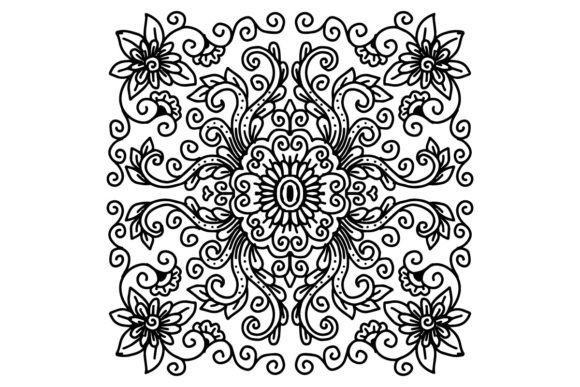
Floral decorative elements have long been a staple in the world of design, offering an elegant and versatile aesthetic that transcends trends. When combined with hand-drawn techniques and mandala-inspired patterns, these designs take on new life, becoming not just ornamental but deeply expressive. The fusion of floral motifs with mandala art introduces a unique blend of nature’s beauty and spiritual symbolism, making it particularly valuable for creative professionals and hobbyists alike.
Understanding Floral Decorative and Its Appeal
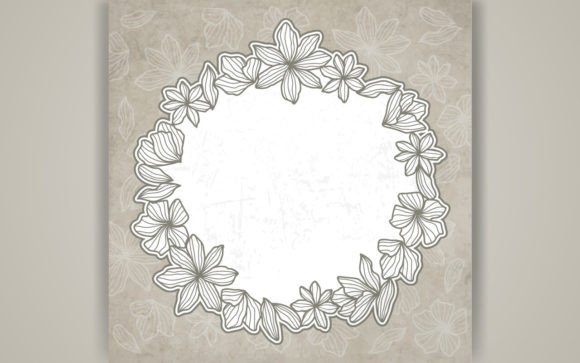
Floral decorative refers to any visual design incorporating stylized flowers, leaves, vines, or other botanical elements. These designs are used across various industries, from fashion and interior décor to digital media and print publishing. What makes floral decorative especially compelling is its ability to evoke warmth, growth, and organic harmony. It connects people to the natural world while adding sophistication and charm to any project or space.
A hand-drawn floral decorative approach brings authenticity and character to the design. Unlike mass-produced templates, hand-drawn illustrations often carry subtle imperfections that enhance their visual appeal. When infused with mandala style—characterized by intricate symmetry and meditative patterns—these floral designs become more than just decoration; they become meaningful artistic expressions.
Key Characteristics of Hand-Drawn Floral Decorative with Mandala Style
- Natural Inspiration: These designs are rooted in the beauty of flora, often featuring realistic or abstract representations of petals, stems, and blossoms.
- Mandala Symmetry: Incorporating mandala-style geometry adds balance and rhythm, creating a sense of calm and order within the composition.
- Artistic Flexibility: The hand-drawn aspect allows for customization, enabling designers to adapt the visuals to suit different themes or purposes.
- High-Quality Formats: Many downloadable resources include professional formats such as JPG, EPS, and ZIP files, ensuring scalability and usability across platforms.
This combination of floral and mandala styles results in patterns that are both intricate and soothing. They work well in minimalist settings where a touch of detail can elevate the overall look, as well as in richly layered compositions where depth and texture are desired.
Practical Uses and Industry Relevance
Floral decorative assets with mandala influences are incredibly useful for a range of applications. Here are some common uses:
- Home Decoration: From wall art to throw pillows and curtains, these designs bring a personal and artistic touch to living spaces.
- Fabric Printing: Ideal for textiles, including clothing, table linens, and upholstery, offering a bespoke alternative to standard prints.
- Wallpaper and Wrapping Paper: Perfect for interior designers or event planners looking to add a unique flair to walls or gift presentations.
- Textile and Product Design: Used in branding materials, packaging, and even stationery, these patterns help create memorable visual identities.
- Print Projects: Whether it's for book covers, calendars, or greeting cards, the intricate details make them stand out in print quality.
For example, a boutique clothing brand might use a hand-drawn floral mandala pattern for a limited-edition dress line. The uniqueness of the design helps differentiate their products in a competitive market. Similarly, a wedding planner could incorporate these visuals into invitations and table runners to create a cohesive, nature-inspired theme.
Evaluating Quality and Usability
When assessing the value of a floral decorative asset, several factors come into play. First, the quality of the artwork is crucial. High-resolution JPG files ensure crisp printing, while vector-based EPS files allow for scaling without loss of clarity. This is particularly important when using the designs for large-format projects like banners or murals.
Usability also depends on how easily the design integrates into your workflow. If you're working with Adobe Illustrator or InDesign, having access to EPS files can streamline the editing process. ZIP files often contain multiple variations or color options, which is beneficial for creators who want to experiment with layout and presentation.
Consistency in style is another strength. A well-crafted set will maintain a uniform aesthetic across all included pieces, allowing for seamless integration into multi-element projects. For instance, if you’re designing a room with a floral mandala wallpaper, matching curtain fabric, and printed signage, consistency ensures visual harmony.
Strengths in Real-World Application
In practical terms, floral decorative with mandala influence performs exceptionally well in environments that prioritize aesthetics and emotional impact. The intricate yet balanced nature of mandalas makes them suitable for backgrounds or standalone graphics. Their organic feel complements both modern and traditional spaces, giving them broad appeal.
One limitation to consider is that highly detailed floral mandala designs may require more processing power when opened in graphic software. Designers working with complex layers or high-pixel counts should ensure their systems meet the necessary requirements. Additionally, because these are hand-drawn, there may be slight variations between pieces, which could be either a benefit or a challenge depending on the intended use.
Who Can Benefit Most?
Professionals in several fields can leverage floral decorative content effectively:
- Graphic Designers: Those seeking unique textures and patterns for branding, packaging, or editorial design will find this resource invaluable.
- Interior Designers: Use these designs for statement walls, custom furniture, or soft furnishings to create personalized interiors.
- Entrepreneurs and Small Business Owners: Adding floral mandala visuals to product lines or marketing materials can help establish a distinct brand identity.
- Freelancers and Creators: Artists and crafters can integrate these designs into handmade goods, enhancing their visual appeal and marketability.
- Event Planners: The patterns can be adapted for table settings, invitations, and themed décor, helping to curate immersive experiences.
These assets are also well-suited for educators teaching art or design, as they offer students a tangible example of blending cultural and natural elements in visual storytelling. Bloggers and publishers might use them in lifestyle or wellness content, aligning with themes of mindfulness and nature.
Long-Term Value and Creative Potential
Investing in a comprehensive floral decorative collection offers lasting benefits. The versatility of these assets means they can be reused across multiple projects, saving time and effort in the long run. Because mandala-style designs are timeless and widely appreciated, they retain relevance beyond seasonal trends.
Moreover, the availability of multiple file types enhances their utility. JPG files are great for quick web use or print-on-demand services, while EPS files provide the flexibility needed for professional-grade output. Storing everything in a ZIP archive makes organization easier, especially for those managing large design libraries.
Consider a designer who frequently creates home décor guides. By maintaining a library of floral mandala patterns, they can quickly generate new content for each season or holiday without starting from scratch. The same applies to textile artists or entrepreneurs who need consistent visuals across product lines.
Recommendations for Choosing the Right Resource
When selecting a floral decorative download, evaluate the following aspects to ensure it fits your needs:
- Resolution and File Types: Confirm that JPG and EPS files meet your technical specifications, especially if printing at scale.
- Style Consistency: Look for collections that maintain a cohesive look, whether you're layering elements or using one piece independently.
- Customization Options: Some downloads offer editable components or color variations, which can be a huge plus for adapting the design to specific contexts.
- License Terms: Understand the usage rights—commercial, non-commercial, or royalty-free—to avoid legal complications down the line.
It’s also wise to compare similar resources before purchasing. Reading user reviews and checking sample images can reveal potential issues with file compatibility or design quality. A small investment in vetting the material upfront can prevent larger problems during implementation.
Limitations and Considerations
While floral decorative with mandala style has many strengths, it's not universally applicable. These designs may not suit every audience or context. For example, a tech startup aiming for a sleek, modern look might find mandala florals too elaborate or incompatible with their brand voice.
Additionally, the hand-drawn nature of these assets means they may not be perfectly aligned or scalable without adjustment. Users who require strict geometric precision should review the design files carefully before committing to large-scale use.
Lastly, the niche appeal of mandala-style florals could limit their effectiveness in certain markets. While popular in wellness, lifestyle, and artisan sectors, they may not resonate as strongly in corporate or industrial design settings. Understanding your target demographic is essential before integrating these visuals into your work.
Final Thoughts
Floral decorative content with mandala influence represents a thoughtful intersection of artistry and functionality. Its ability to inspire, personalize, and enhance a variety of mediums makes it a powerful tool for creative professionals and serious hobbyists. However, its success hinges on thoughtful application and alignment with the right context.
If you're involved in design, marketing, or any field where visual creativity plays a role, these assets could be a valuable addition to your toolkit. Just remember to assess your needs, check the technical specs, and consider how the design aligns with your audience’s preferences. With the right approach, floral decorative elements can transform your projects from ordinary to extraordinary.