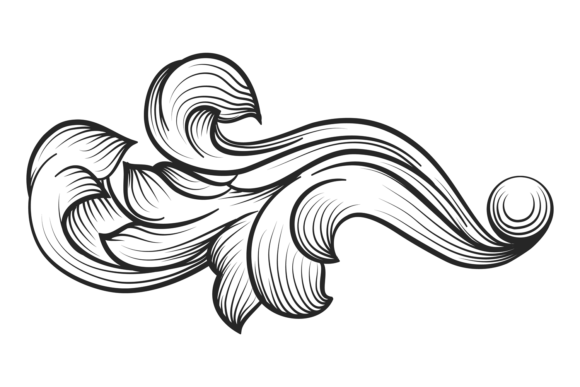
Decorative Floral Branch in Retro Orname: A Timeless Design Element for Modern Projects
In the ever-evolving world of design, certain elements remain timeless due to their elegance and adaptability. One such element is the Decorative Floral Branch in Retro Orname. This intricate motif, often rendered in ornamental filigree style, has found its way into a variety of digital and print media. With file formats like EPS, JPG, SVG, and transparent PNG available, it's easier than ever to incorporate this classic design into contemporary projects.
The Beauty of Retro Ornamental Filigree
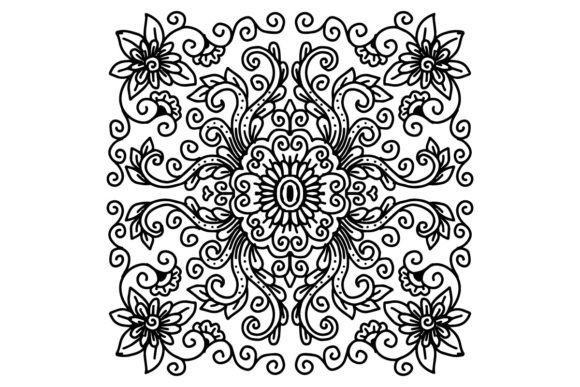
Retro ornamental filigree refers to the delicate, lace-like patterns that were popular in historical art and architecture. These designs are characterized by their fine lines, floral motifs, and symmetrical arrangements. When applied to a Decorative Floral Branch, the result is a visual masterpiece that evokes nostalgia while remaining fresh and appealing to modern audiences.
The filigree style adds depth and dimension to the floral branch, making it ideal for use in logos, invitations, book covers, packaging, and even web design. The combination of natural forms and vintage detailing gives designers the ability to create pieces that feel both authentic and refined.
Why Choose a Decorative Floral Branch?
- Versatility: Suitable for a wide range of applications from print to digital media.
- Elegance: Offers a sophisticated look without being overly complex or distracting.
- Timelessness: Appeals across generations, making it a safe and stylish choice.
- Cultural Relevance: Often associated with heritage, femininity, and nature, which can add meaning to your project.
File Formats That Matter: EPS, JPG, SVG, Transparent PNG
One of the most significant advantages of using a Decorative Floral Branch in Retro Orname is the availability of multiple high-quality file formats. Each format serves a specific purpose, depending on how you plan to use the design.
EPS: For Print Perfection
Encapsulated PostScript (EPS) files are vector-based, meaning they retain crisp edges at any size. This makes them perfect for print projects such as posters, brochures, and packaging where detail and clarity are essential. If you're designing something that will be professionally printed, an EPS version of your floral branch ensures it looks sharp and polished.
JPG: The Web-Friendly Option
Joint Photographic Experts Group (JPG) files are raster images, best suited for web use when quality and file size need to be balanced. They’re great for backgrounds, banners, and other online visuals. While not scalable like vector files, JPGs provide excellent color depth and are widely supported by browsers and social media platforms.
SVG: Scalable and Interactive
Scalable Vector Graphics (SVG) allow the design to scale seamlessly without losing quality. This is particularly useful for responsive websites, mobile apps, and UI/UX projects. SVGs also support animation and interactivity, enabling creative uses such as hover effects or dynamic illustrations. A Decorative Floral Branch in Retro Orname in SVG format brings flexibility and future-proofing to your digital assets.
Transparent PNG: For Layered Designs
Portable Network Graphics (PNG) with transparency are invaluable when placing the floral branch over different backgrounds or layering it with other graphics. The transparent background ensures the focus stays on the design itself, allowing seamless integration into logos, headers, and product mockups.
Applications Across Industries
The Decorative Floral Branch in Retro Orname isn't just for artistic purposes — it plays a functional role in various industries. Here’s how it enhances different fields:
Fashion and Textile Design
In fashion, retro floral branches can be used to embellish fabric prints, label tags, or brand insignias. Their ornate appearance adds a touch of sophistication to clothing lines, especially those inspired by vintage styles. Designers appreciate the ability to customize these elements and blend them with modern silhouettes.
Graphic Design and Branding
For branding, the floral motif can symbolize growth, beauty, and tradition. Whether you're creating stationery, business cards, or promotional materials, adding a Retro Orname floral branch can help establish a unique identity. It works especially well for businesses in the wellness, lifestyle, or artisanal sectors.
Interior Design and Home Decor
Interior designers often use these decorative elements in digital mood boards, furniture designs, or wall art concepts. A floral branch in retro filigree style can frame photographs, highlight key areas in a room layout, or serve as a subtle accent in wallpaper or tile designs.
Wedding and Event Planning
Nothing says romance quite like a beautifully crafted floral design. In event planning, the Decorative Floral Branch in Retro Orname can elevate invitations, table settings, signage, and décor. Its vintage flair aligns perfectly with rustic, bohemian, or classic wedding themes.
Choosing the Right File Format for Your Project
Selecting the appropriate file format is crucial for achieving the desired outcome. Consider the following scenarios:
- If you're preparing a logo for a boutique or café, go with EPS and SVG to ensure scalability and professional printing.
- For website headers or social media posts, use JPG or PNG based on whether you need a transparent background.
- If you're designing a layered composition, such as a greeting card or app interface, choose transparent PNG for ease of overlay and blending.
- To animate the design or embed it directly into HTML, an SVG file is the most efficient option.
Always evaluate your project requirements before choosing a format. High-resolution JPGs work for large displays, but if you need the image to be resized frequently, SVG or EPS would be more suitable.
Design Tips for Using the Decorative Floral Branch
Here are some practical recommendations for incorporating the Decorative Floral Branch in Retro Orname into your work:
- Use Sparingly: Let the design stand out by applying it strategically rather than overwhelming the layout.
- Match Color Schemes: Convert the black-and-white EPS or SVG into colors that align with your brand palette.
- Pair with Minimalist Elements: Balance the ornate style with clean typography or simple shapes for a modern contrast.
- Consider Cultural Context: Ensure the floral motif resonates with the audience and fits the theme of the project.
Real-World Examples
Let’s take a quick look at how this design element is being used today:
- Logo Design: A small tea shop uses the floral branch as part of its logo, giving it a warm and inviting look.
- Website Banner: A bridal studio features a JPG of the floral branch behind elegant text, creating a soft and romantic ambiance.
- Print Packaging: A luxury candle brand integrates an EPS version of the design into box wraps, enhancing perceived value through visual refinement.
- UI Design: A meditation app uses SVG versions of the motif to create subtle animations that promote calmness and focus.
Where to Find Quality Files
To access high-quality versions of the Decorative Floral Branch in Retro Orname, consider reputable stock image and vector marketplaces like Shutterstock, Adobe Stock, or Freepik. Always verify licensing agreements to ensure the asset can be used for commercial purposes. Some sites offer free downloads for personal use, but for professional projects, purchasing a premium license is advisable.
What to Look For in a File
When selecting a Retro Orname floral branch file, pay attention to the following factors:
- Resolution: For print, aim for at least 300 DPI; for web, 72 DPI is sufficient.
- Transparency: Check if the PNG includes an alpha channel for smooth edges and clean overlays.
- Vector Compatibility: Ensure the SVG or EPS file opens correctly in your design software (e.g., Illustrator, Inkscape).
- Style Consistency: Confirm the design matches the aesthetic of your project and doesn’t clash with other elements.
Customization and Creative Possibilities
One of the joys of working with a Decorative Floral Branch in Retro Orname is the ability to modify it. You can change colors, add gradients, or adjust the complexity to suit your needs. Many vector files come with individual layers, making it easy to isolate parts of the design for customization.
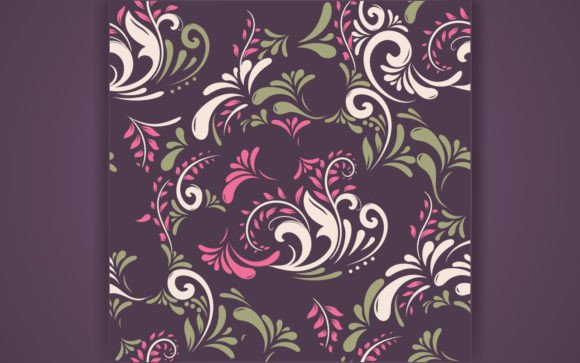
Designers also love combining this motif with other retro elements like scrollwork, vintage fonts, and antique textures. This layered approach helps build rich, nostalgic compositions that speak to both aesthetics and emotional appeal.
Tools for Customizing the Design
You don’t need advanced skills to tweak these files. Software like Adobe Illustrator or Canva allows users to edit vector graphics easily. For SVG files, tools like Inkscape or Figma offer powerful editing capabilities without the cost of proprietary programs.
If you're not working with vectors, many graphic editors support importing and manipulating PNG or JPG files. Adding shadows, reflections, or adjusting brightness can transform a basic image into a standout feature.
Practical Benefits of Using Retro Floral Elements
There are several reasons why professionals prefer using a Decorative Floral Branch in Retro Orname:
- Attention to Detail: Enhances the overall polish and professionalism of a design.
- Brand Identity: Helps differentiate your brand by offering a signature visual motif.
- Emotional Connection: Evokes warmth, nostalgia, and a sense of tradition.
- Adaptability: Works across multiple platforms and mediums, ensuring consistent branding.
These benefits make the floral branch an excellent investment for anyone looking to elevate their design portfolio or project visuals.
Common Concerns and How to Address Them
Before adopting a Decorative Floral Branch in Retro Orname, many designers worry about issues like copyright, file compatibility, and relevance to the target audience. Here’s how to navigate these concerns:
- Copyright Compliance: Always use licensed files from trusted sources to avoid legal complications.
- Software Support: Download the appropriate format (e.g., SVG for Figma, EPS for Illustrator) to ensure compatibility.
- Audience Appeal: Test the design with your target demographic to confirm it aligns with their preferences.
- Overuse: Avoid cluttering the layout. Use the floral branch as an accent rather than a dominant feature.
Best Practices for Effective Use
Follow these guidelines to get the most out of your floral design:
- Limit the number of times you repeat the pattern within a single piece.
- Ensure there’s enough negative space around the design to maintain readability and balance.
- Use it to frame important content rather than as background noise.
- Test different color variations to see what complements your brand or project the best.
Conclusion
The Decorative Floral Branch in Retro Orname is a versatile and visually striking asset that blends traditional charm with modern functionality. Available in multiple file formats including EPS, JPG, SVG, and transparent PNG, it caters to both print and digital needs. By understanding its applications, file considerations, and customization options, you can harness this design element to enhance your creative projects effectively.