Vintage Retro Decorative Ornament Border: A Timeless Design Element for Modern Projects
The Vintage Retro Decorative Ornament Border is a design element that has stood the test of time. With its intricate patterns and nostalgic appeal, it adds a sense of elegance and historical charm to various creative projects. From logos and packaging to blog headers and branding materials, this border can elevate visual aesthetics significantly when used correctly. However, like many design trends, there are nuances and common pitfalls associated with its use that can affect the final outcome.
Understanding the Vintage Retro Decorative Ornament Border
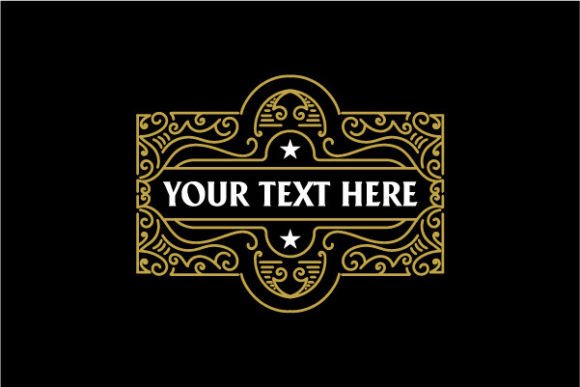
A Vintage Retro Decorative Ornament Border typically features ornate, hand-drawn or engraved-style edges that mimic the look of antique borders found in old manuscripts, vintage posters, or classic book covers. These designs often include motifs such as floral patterns, geometric shapes, and symbolic emblems. When paired with a Vintage Retro Decorative Ornament Border Frame Royal Badge Emblem Stamp Label Design Vector, the effect becomes even more pronounced, offering a cohesive and sophisticated design language.
Designers and content creators love these elements because they evoke nostalgia, add depth, and provide a unique touch that modern minimalism sometimes lacks. They’re especially popular in industries like fashion, food and beverage, stationery, and artisanal products where storytelling through visuals plays a key role.
Common Misconceptions About Using Vintage Borders
- Overusing the design: Many people mistakenly believe that adding more vintage elements will make their project appear more authentic. In reality, too much ornamentation can overwhelm the viewer and dilute the message.
- Ignoring scalability: Vintage retro borders can be detailed, but if not designed properly, they may lose clarity when resized for different platforms or print formats.
- Choosing low-quality vectors: Not all downloadable vintage border vectors are created equal. Some have poor resolution, incorrect proportions, or limited customization options, which can hinder professional results.
- Mismatched style with the main content: The border should complement the overall theme. A mismatch—such as pairing a Victorian-style border with a futuristic logo—can confuse the audience and reduce visual harmony.
How Mistakes Impact Your Project’s Quality and Message
Using a Vintage Retro Decorative Ornament Border incorrectly can lead to several issues:
- Reduced readability: If the border clashes with text or images inside the frame, important information may become difficult to read or notice.
- Lower perceived professionalism: Poorly applied vintage elements might give off an amateurish impression, especially in business contexts like marketing materials or product packaging.
- Inconsistent branding: For businesses, using mismatched or overly complex borders can create confusion around brand identity, making it harder for customers to recognize your work across platforms.
- Increased production costs: If you download a subpar vector file and then need to fix or recreate it later, you may end up spending more time and money than necessary.
Practical Tips to Avoid Common Errors
To get the most out of your Vintage Retro Decorative Ornament Border, follow these best practices:
- Use sparingly: Apply the border only where it enhances the design rather than where it feels forced. Think of it as a supporting actor, not the leading role.
- Test at scale: Before finalizing a design, zoom out and check how the border looks on smaller screens or printed materials. This helps ensure legibility and impact at every size.
- Choose high-resolution vectors: Always source your Vintage Retro Decorative Ornament Border Frame Royal Badge Emblem Stamp Label Design Vector from reputable design marketplaces or custom illustrators. Look for files that are scalable without losing quality.
- Match the era and context: Research the historical period your border represents. A 1920s Art Deco border won’t fit well with a medieval-themed label. Consistency in style builds trust and visual cohesion.
- Balance detail with contrast: Ensure the border doesn’t compete with the central image or text. Use contrasting colors or layering techniques to keep focus on what matters most.
Real-World Examples and Better Approaches
Let’s consider a few examples to illustrate the right and wrong ways to use a Vintage Retro Decorative Ornament Border.
Example 1: Logo Design
Wrong approach: Adding a heavy, gold-leaf-style border to a minimalist logo disrupts the clean aesthetic and makes the logo feel cluttered. It also limits its adaptability for digital use, where subtlety is key.
Better approach: Choose a delicate line-art border that complements the logo’s font and color palette. For instance, a muted sepia-toned border with subtle flourishes works well for heritage brands or artisanal products.
Example 2: Product Packaging
Wrong approach: Applying multiple overlapping vintage borders on a single label can make it hard to read and visually chaotic, especially if the background is busy or colorful.
Better approach: Use one consistent border style throughout the packaging line. Pair it with complementary typography and a restrained color scheme to maintain sophistication and clarity.
Example 3: Blog Headers and Website Graphics
Wrong approach: Downloading a free Vintage Retro Decorative Ornament Border Frame Royal Badge Emblem Stamp Label Design Vector and applying it without checking licensing terms could lead to legal issues, particularly if the design is reused commercially.
Better approach: Always verify the license type before downloading any vector asset. Opt for royalty-free or open-source designs when repurposing them for blogs, social media, or websites.
What to Check Before Choosing a Vintage Border
Before incorporating a Vintage Retro Decorative Ornament Border into your project, take a moment to evaluate the following factors:
- Resolution and format: Make sure the vector file is high-res (at least 300 DPI) and compatible with your design software (e.g., Adobe Illustrator, CorelDRAW, or Figma).
- Customization options: Can you edit the colors, thickness, or specific elements of the border? Flexibility is essential for aligning the design with your brand or theme.
- Relevance to your audience: Does the vintage style resonate with your target demographic? While retro aesthetics are timeless, they may not suit all markets or age groups.
- Legality and usage rights: Confirm whether the border can be used for commercial purposes and if attribution is required. This is crucial for entrepreneurs and marketers.
- Compatibility with other design elements: Test the border with your chosen fonts, images, and layout structures. A great border can fall flat if it doesn’t integrate well with the rest of the design.
Where to Find High-Quality Vintage Retro Borders
If you're looking to download or buy a Vintage Retro Decorative Ornament Border, here are some trusted sources:
- Adobe Stock – Offers professionally designed vectors with clear licensing options.
- Freepik – Provides both free and premium assets, including vintage borders and royal emblem frames.
- VectorStock – Specializes in high-resolution vectors suitable for print and web.
- Fiverr or 99designs – Ideal for hiring freelance designers who can create a custom Vintage Retro Decorative Ornament Border Frame Royal Badge Emblem Stamp Label Design Vector tailored to your needs.
When to Say No to a Vintage Border
Not every project benefits from a Vintage Retro Decorative Ornament Border. Consider avoiding it in the following scenarios:
- Modern minimalist branding: Clean, bold designs don’t always pair well with ornate borders. Stick to simpler frames or none at all.
- High-tech or futuristic themes: A retro border might clash with sleek, contemporary visuals. Instead, opt for metallic, geometric, or neon-style accents.
- Time-sensitive projects: If you need something quick and adaptable, a vintage border might slow you down due to its complexity and potential compatibility issues.
Remember, the goal is to enhance—not obscure—your message. Vintage elements should support the story you want to tell, not distract from it.
Conclusion
When used thoughtfully, a Vintage Retro Decorative Ornament Border can transform your design into something memorable and rich in character. But success depends on understanding its purpose, selecting the right style, and ensuring it aligns with your overall vision. By avoiding overuse, verifying quality, and maintaining consistency, you’ll create visuals that stand out for all the right reasons. Whether you’re designing a product label, crafting a website header, or enhancing a presentation slide, taking these considerations into account will help you avoid common missteps and achieve better results.