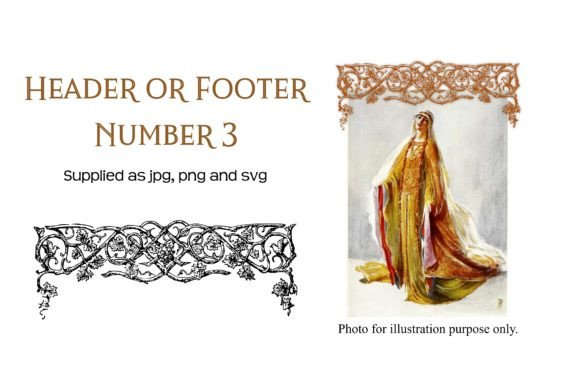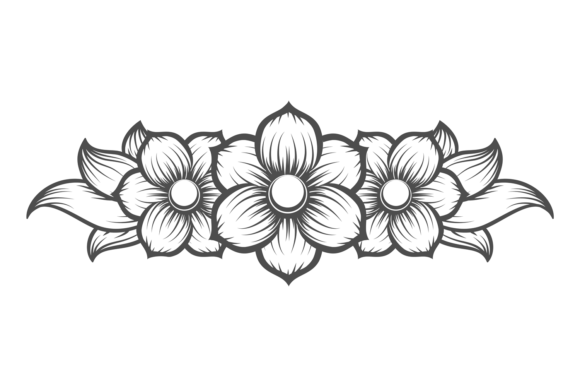
Floral Vintage Filigree: Decorative Orna for Timeless Elegance
Floral Vintage Filigree, also known as Decorative Orna, is a timeless design element that blends intricate floral patterns with delicate ornamental details. It has long been admired in art and design for its ability to evoke nostalgia, sophistication, and craftsmanship. Whether you're a designer, marketer, blogger, or hobbyist, understanding how to use this motif can open up a world of creative possibilities. Its versatility allows it to be adapted into countless formats and platforms, from digital media to print, making it an essential asset in your visual toolkit.
What Is Floral Vintage Filigree?
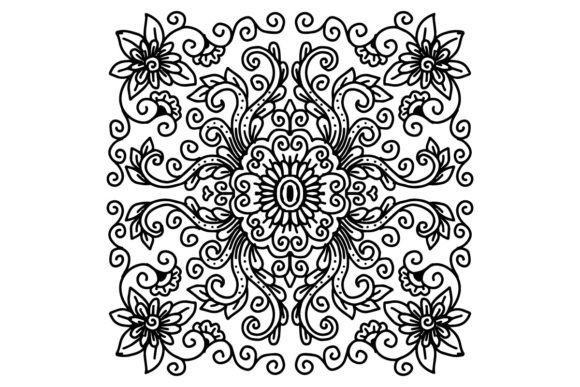
At its core, Floral Vintage Filigree refers to the fine, lace-like detailing often seen in historical decorative arts. These designs typically feature flowing lines, floral elements, and ornate flourishes that mimic hand-drawn or hand-carved aesthetics. The term "Orna" relates to ornamentation—so when combined with floral motifs, it results in a rich, detailed style that feels both classic and refined.
The beauty of these filigrees lies in their adaptability. They can be simple or complex, bold or subtle, depending on the artistic intent and the medium used. Common file formats such as EPS, JPG, SVG, and transparent PNG make them accessible for both print and digital applications, ensuring high quality and flexibility across different uses.
Why It Stands Out
- Elegant Aesthetic: The combination of floral and ornate details creates a sense of luxury and grace.
- Historical Charm: Drawing from Victorian, Art Nouveau, and Rococo styles, it offers a nostalgic touch to modern designs.
- High-Quality Formats: Available in scalable vector (SVG, EPS) and raster (JPG, PNG) formats ensures they look sharp at any size.
- Universal Appeal: Works well across industries including fashion, branding, invitations, packaging, and more.
Applications Across Industries
Floral Vintage Filigree isn't just for the past—it's a powerful tool in today’s design landscape. Here are some ways professionals in various fields can harness its charm:
Graphic Design & Branding
In branding, using Decorative Orna can help create a distinctive identity. For example, a boutique jewelry store might incorporate floral filigree into its logo or packaging to reflect artisanal craftsmanship and a vintage appeal. The key is to balance detail with clarity so the filigree enhances rather than overwhelms the message.
Designers should consider the color palette and contrast when applying these motifs. A black-and-white filigree on a white background adds elegance without distraction, while colored versions can complement brand colors or seasonal themes.
Fashion & Textile Design
Textile artists and fashion designers often use floral filigree in embroidery, fabric prints, and patterned trims. These designs can elevate everything from wedding gowns to home décor fabrics. When integrating them into clothing or accessories, it's best to focus on specific areas like collars, hems, or pockets to maintain a cohesive and wearable look.
For digital textile printing, SVG files provide precision and scalability, allowing for seamless tiling and customization. JPG and PNG formats are ideal for mockups or promotional images where layering is not required.
Wedding & Event Planning
Event planners and stationery designers love using Decorative Orna for weddings, anniversaries, and other special occasions. Think invitations, table runners, signage, or even custom monogrammed linens. The filigree adds a romantic and sophisticated feel that resonates with clients looking for a classic yet unique vibe.
One practical tip is to pair floral filigree with minimalistic typography. This ensures readability while still benefiting from the ornate backdrop. Transparent PNGs work especially well here, allowing the filigree to blend naturally with photos or backgrounds.
Web & UI/UX Design
Though traditionally associated with print, Floral Vintage Filigree can enhance web design when used thoughtfully. In UI/UX contexts, it's often applied as subtle borders, headers, or decorative accents within a minimalist layout. For instance, a blog about antique furniture might use a repeating SVG filigree pattern along the sidebar or as a header divider.
Use caution with overuse. While it can add character, too much detail may slow down page loading or clash with modern interfaces. Opt for clean, scalable versions and ensure they align with the site’s overall aesthetic and accessibility standards.
Creative Possibilities and Project Ideas
Let’s explore some original ways to bring Decorative Orna into your next project:
1. Custom Invitations and Stationery
Whether for a wedding, baby shower, or anniversary party, adding floral filigree to your invitations can set the tone. Use transparent PNGs to overlay the design onto photos of venue spaces or event setups for a preview look. For printed materials, EPS files ensure crisp edges and professional finish.
2. Logo Accents and Badges
Many brands use small filigree touches around their logos to suggest heritage or tradition. For example, a winery or tea company might surround its emblem with a delicate floral border. SVG format is perfect for creating editable badges or seals that can be resized without losing quality.
3. Social Media Headers and Banners
On platforms like Instagram or Facebook, a banner featuring Decorative Orna can give your brand a polished appearance. Choose a JPG version if you’re working with a static image, or an SVG if you want to maintain editability for future updates. Pair the filigree with a strong central message and clear call-to-action to keep the design effective.
4. Packaging and Label Design
Handcrafted products benefit greatly from the addition of vintage-inspired motifs. A candlemaker or soap artisan could use floral filigree in label designs to highlight natural ingredients and traditional methods. Transparent PNGs allow for easy integration with product photography, helping showcase items in an elegant way.
5. Educational Materials and Printables
Teachers and educators can use these motifs in classroom decorations, certificates, or printable resources. A history lesson might feature a background with ornate borders to match the subject matter. Keep text legible by placing it on a solid-colored section of the design or using contrasting fonts.
How to Adapt for Different Goals and Audiences
Depending on your audience and purpose, you can adjust the scale, complexity, and placement of Floral Vintage Filigree to better serve your goals:
For Small Business Owners
If you're aiming for a premium or artisanal feel, let the filigree speak for itself. Use it sparingly in branding materials like business cards, letterheads, and website headers. Avoid cluttering the design unless it serves a specific purpose, such as highlighting a signature product or service.
For Bloggers and Content Creators
Bloggers can integrate these motifs into headers, sidebars, or post templates. A lifestyle blog focused on vintage fashion or home décor would particularly benefit from the visual continuity provided by consistent use of Decorative Orna. Consider using SVG files for editable templates or transparent PNGs for layered designs in Canva or Photoshop.
For Entrepreneurs Launching a Product
When launching a product with a retro or handmade theme, use floral filigree in packaging, labels, and marketing visuals. For instance, a new line of organic teas could feature each flavor with a unique filigree border that reflects the ingredient or region of origin. This approach not only looks beautiful but also helps differentiate your offerings visually.
For Educators and Hobbyists
Hobbyists and educators can apply these motifs in craft projects, DIY tutorials, or learning materials. A downloadable PDF tutorial on watercolor painting might include a floral border to make the guide feel more engaging and authentic. Similarly, printable calendars or planners can use filigree accents to give them a personal, handcrafted feel.
Styling Tips for Effective Use
To get the most out of Floral Vintage Filigree, follow these practical guidelines:
- Keep It Simple: Less is more when it comes to ornate designs. Use one or two elements per piece to avoid overwhelming the viewer.
- Maintain Consistency: If you're using filigree in multiple pieces, like a set of invitations, programs, and thank-you cards, ensure the style remains uniform for a cohesive look.
- Experiment with Placement: Try positioning the filigree in corners, as borders, or behind text. Each location changes the mood and emphasis of the design.
- Match the Color Scheme: Black and white filigrees offer maximum flexibility, but don’t hesitate to recolor them in software like Adobe Illustrator to fit your project’s needs.
- Test Scalability: Before finalizing a design, test how the filigree looks at different sizes. Vector-based files (EPS, SVG) will always perform best in large formats.
Where to Find Quality Files
High-quality EPS, SVG, and PNG files of Floral Vintage Filigree are widely available on design marketplaces like Shutterstock, Adobe Stock, and Creative Market. Look for assets labeled “vintage,” “ornate,” or “floral border” to find relevant options. Always check the licensing terms before downloading to ensure they fit your intended use case, whether commercial or personal.
Free vs. Premium Resources
While free resources exist, they often come with limitations. Premium libraries offer higher resolution, greater variety, and commercial usage rights, which are crucial for entrepreneurs and marketers. For personal or educational use, free sites like Freepik or Vecteezy can be great starting points, but verify the license carefully.
Conclusion
Floral Vintage Filigree and Decorative Orna are more than just pretty patterns—they’re storytelling tools that connect us to history, craftsmanship, and emotion. When used with intention and clarity, they can elevate your designs from ordinary to extraordinary. Whether you're enhancing a brand, crafting an invitation suite, or simply exploring creative expression, these motifs offer a versatile canvas for your ideas.
As you experiment with different formats and applications, remember to stay true to your audience’s preferences and the project’s purpose. Let the filigree support your message, rather than overshadow it. With the right balance, you’ll discover how beautifully the past can inform the present—and inspire the future.